
Table of contents
The digital world is undergoing a revolutionary transformation with the rise of The Metaverse—a virtual universe where digital and physical realities converge. Fueled by advancements in virtual reality (VR) and augmented reality (AR) technologies, The Metaverse promises to reshape how we work, socialize, learn, and play.
In this blog post, we delve into The Metaverse, examining what it is, how VR and AR power it, its applications across industries, and the implications for our digital future.
What Is the Metaverse?
The Metaverse is a collective virtual space created by the convergence of virtually enhanced physical reality and the persistent virtual world. It’s a 3D, immersive, interactive environment where users can create avatars, own digital property, engage in social interaction, and explore new forms of entertainment and work.
It blends:
- Virtual Reality (VR): Fully immersive digital experiences.
- Augmented Reality (AR): Overlaying digital elements on the real world.
- Blockchain technology: To secure digital ownership of assets like NFTs.
- Artificial Intelligence (AI): To create responsive and intelligent virtual environments.
Virtual Reality (VR) in The Metaverse
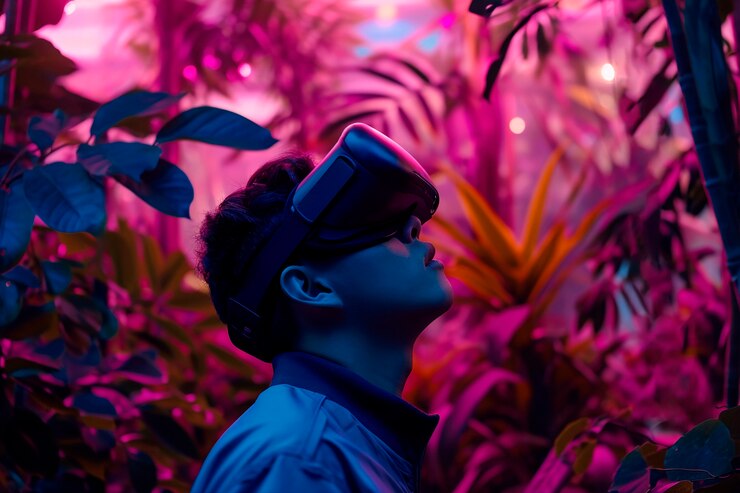
Virtual reality provides the foundational layer for The Metaverse. With a VR headset, users can step into digital environments where they interact in real-time with other avatars, explore spaces, attend events, or even build virtual worlds.
Examples of VR Use in The Metaverse:
- Virtual offices and coworking spaces
- Immersive gaming environments
- Virtual classrooms and learning experiences
- VR social media platforms
Augmented Reality (AR) in The Metaverse
While VR immerses users completely, augmented reality enhances the real world by integrating digital elements. AR devices, such as smart glasses and mobile apps, allow users to engage with digital objects layered onto their surroundings.
Examples of AR Use in The Metaverse:
- Real-time product visualization in shopping
- Interactive AR educational content
- Enhanced navigation and location-based services
- AR-enhanced live sports and concerts
Real-World Applications of The Metaverse
1. Gaming and Entertainment
Games like Fortnite and Roblox are early examples of how users can interact, build, and even earn money in metaverse-like environments.
2. Education and Training
Virtual classrooms, immersive simulations, and hands-on learning experiences are revolutionizing how students engage with content.
3. Work and Collaboration
The rise of remote work has accelerated the demand for VR meeting platforms like Meta’s Horizon Workrooms and Microsoft Mesh.
4. Retail and E-Commerce
Brands are building virtual storefronts and AR-enabled shopping experiences where users can try products before purchasing.
5. Real Estate and Architecture
Virtual tours and 3D models allow clients to explore properties and buildings before they’re constructed.
Benefits of The Metaverse
- Immersive Engagement: Real-time, interactive experiences that mimic the physical world.
- Global Access: No geographic barriers—users can attend events, work, or socialize from anywhere.
- New Economic Models: Virtual economies with NFTs, cryptocurrencies, and decentralized platforms.
- Enhanced Creativity: Users can build, modify, and personalize their environments and avatars.
Challenges and Concerns
While The Metaverse offers many exciting possibilities, it also brings important challenges:
- Privacy and Data Security: Immense data collection poses risks if not properly managed.
- Digital Addiction: Extended screen time may impact mental and physical health.
- Accessibility: The cost of VR/AR gear and fast internet can limit access.
- Content Moderation: Keeping virtual spaces safe and inclusive is a major hurdle.
Future Outlook
The evolution of The Metaverse is still in its early stages, but tech giants like Meta, Google, Microsoft, and Apple are investing billions into its development. As devices become more affordable and platforms more interconnected, expect a surge in mainstream adoption across all age groups and industries.
With 5G, edge computing, and AI integration, the Metavers of tomorrow could become as integral to our lives as the internet is today.
Frequently Asked Questions (FAQs)

VR creates entirely digital environments, while AR overlays digital content onto the real world. Both are essential technologies powering The Metavers.
No. While gaming is a major component, The Metavers also includes education, business, healthcare, retail, and social networking.
Yes. Users can earn through play-to-earn games, selling NFTs, virtual real estate, freelance services, and hosting events.
Not always. While VR enhances immersion, many metaverse platforms are accessible via desktops, smartphones, and AR devices.
It depends on the platform and how it handles privacy, moderation, and user data. As with the internet, users must take precautions.
Conclusion
The Metaverse represents a bold new frontier in digital interaction. By merging virtual and augmented reality, it creates endless possibilities for connection, creativity, and commerce. While it comes with its share of challenges, the opportunities are too significant to ignore.
Whether you’re a tech enthusiast, entrepreneur, educator, or casual user, now is the perfect time to explore The Metaverse and understand its potential impact on our lives.
Discover more from Epexshop
Subscribe to get the latest posts sent to your email.

