
Table of contents
Food has always been a cornerstone of human society, influencing not just our survival but also our culture, social structure, and economy. In medieval Europe, the role of food was especially significant, as it played a crucial part in shaping the lives of people from all walks of life. From the lavish feasts of royalty to the humble fare of peasants, food in medieval times was both a necessity and a symbol of power, class, and even spirituality. This blog post delves into the role of food in medieval European society, exploring how different factors, such as class, religion, and geography, shaped what people ate and how they interacted with food.
The Role of Food in Medieval European Society: An Overview
Medieval Europe spanned from the fall of the Roman Empire in the 5th century to the beginning of the Renaissance in the 15th century, a period of over a thousand years. Throughout this time, food played an essential role in daily life, but what people ate and how they consumed it varied greatly depending on several factors, including their social status, geographical location, and the prevailing cultural and religious beliefs.
1. Food and Social Hierarchy
In medieval Europe, society was divided into distinct social classes, each with its own dietary habits. The ruling class, including kings, nobles, and the clergy, enjoyed rich and diverse diets. Meat, especially beef, venison, and poultry, was a common feature of their meals, often accompanied by exotic spices, fruits, and wine. These indulgent meals were a symbol of wealth and power, reinforcing social divisions.
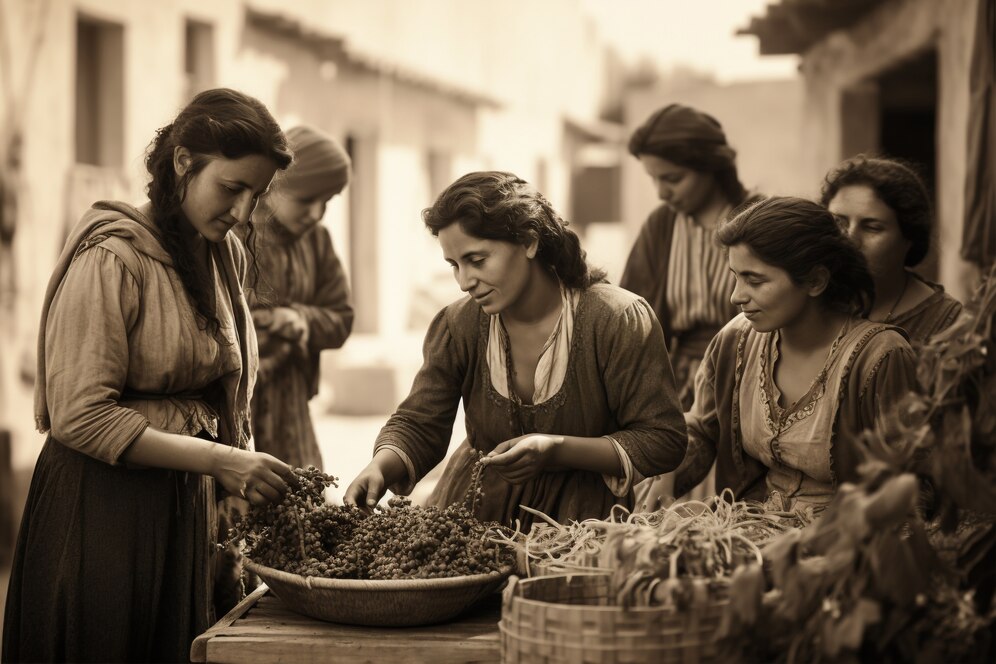
On the other hand, peasants and serfs, who formed the majority of the population, had a much more modest diet. Their meals typically consisted of bread, porridge, vegetables, and occasionally meat if they could afford it. The common folk’s diet was primarily plant-based, with grains such as barley, oats, and rye being staples in the medieval diet. Meat was considered a luxury for the lower classes, and they rarely had the opportunity to consume it.
2. The Influence of Religion on Food
Religion had a profound impact on the role of food in medieval society. Christianity, which dominated the spiritual landscape of medieval Europe, shaped many aspects of food consumption, particularly in relation to fasting and feasting. The Church prescribed numerous fast days, during which the faithful were required to abstain from eating meat and other indulgent foods. This led to the development of elaborate fish dishes and plant-based meals that were specifically designed for fasting periods.
Feasts, on the other hand, were an essential part of religious and social life. Major holidays, such as Christmas and Easter, were celebrated with grand feasts that included a variety of meats, pastries, and wine. These feasts not only marked religious occasions but also acted as a means of demonstrating generosity and social status.
3. The Importance of Agriculture and Trade
Agriculture played a central role in the role of food in medieval European society. The majority of the population worked as farmers, growing the crops that would sustain them throughout the year. Wheat, barley, oats, and rye were the primary grains cultivated, with wheat being the preferred choice for the wealthy. Farming techniques, however, were primitive by today’s standards, and crop yields could vary dramatically from year to year due to weather conditions.
Trade also played a crucial role in the availability of food. As European trade routes expanded during the medieval period, exotic goods and ingredients such as spices, sugar, and fruit from distant lands began to make their way into European kitchens. This trade opened up new culinary possibilities, allowing for the creation of more diverse and flavorful dishes, especially among the wealthier classes.
4. Food Preservation Techniques
Before the advent of refrigeration, food preservation was essential for survival. In medieval Europe, people relied on a variety of methods to preserve food, including salting, smoking, drying, and pickling. Meat, in particular, required preservation methods, as it was often slaughtered in large quantities to ensure there was enough food for the winter months.
Crops such as grains and vegetables were often stored in cellars or granaries, while fruits were preserved by drying or making into jams and preserves. The ability to preserve food was not only critical for survival during the winter months but also a key factor in the success of trade, as it allowed for the transportation of food over long distances.
5. The Role of Food in Medieval Banquets and Celebrations
The medieval banquet was more than just a meal; it was an event that symbolized wealth, power, and the art of hospitality. Banquets were often held in castles, monasteries, and courts, where guests were treated to elaborate feasts. These events were not only an opportunity to enjoy food but also a way to display social standing and political influence.
The menu at these grand events often featured multiple courses, including meats, pies, pastries, and elaborate desserts. Banquets were also accompanied by entertainment, including music, dancing, and sometimes jousting tournaments. The rich, complex dishes served at these feasts were a direct reflection of the host’s wealth and status.
The Economic Impact of Food in Medieval Europe
The economy of medieval Europe was heavily reliant on agriculture, and food was one of the most valuable commodities. The peasant class worked tirelessly to produce the food that sustained the population, while the nobility and clergy controlled the land and its resources. This economic structure created a system of dependence, with the lower classes relying on the nobility for protection and the elite classes relying on the labor of the peasants to provide them with food.
Trade also played a significant role in the medieval economy, as merchants transported goods such as grain, spices, and luxury foods across Europe. The rise of markets and fairs allowed for the exchange of local and exotic foodstuffs, further enriching the culinary landscape of medieval Europe.
Conclusion
The role of food in medieval European society was complex and multifaceted, influencing every aspect of life from social hierarchy to religious practices. It played a crucial role in shaping the daily lives of people, determining what they ate, how they ate it, and with whom they shared their meals. Whether it was the lavish feasts of the elite or the humble fare of peasants, food was a vital part of the medieval experience, offering insight into the values, beliefs, and economic realities of the time.
FAQs About the Role of Food in Medieval European Society

Food in medieval Europe was closely tied to social status. The wealthy consumed a variety of meats, fine wines, and exotic spices, while the poor mostly ate bread, vegetables, and limited amounts of meat.
Christian religious practices, such as fasting, had a significant impact on food consumption. During fasting periods, people avoided meat and consumed fish, grains, and vegetables instead.
Common preservation techniques included salting, smoking, drying, and pickling, which allowed people to store food for long periods, especially during the winter months.
Yes, especially the wealthy, who were able to import spices like pepper, cinnamon, and sugar from trade routes that connected Europe with Asia and the Middle East.
Medieval banquets were elaborate social events that featured multiple courses of food, music, and entertainment, serving as a display of wealth, power, and generosity.
Discover more from Epexshop
Subscribe to get the latest posts sent to your email.

