
Table of contents
The Mediterranean diet has long been hailed as one of the healthiest eating patterns in the world. Known for its emphasis on fruits, vegetables, whole grains, legumes, nuts, and olive oil, it has captured the attention of health-conscious individuals around the globe. But recently, there’s been a noticeable shift in how people approach this diet. The rise of meat in the Mediterranean diet is changing the way we think about this traditional eating pattern.
Historically, the Mediterranean diet was largely plant-based, with meat serving as an occasional supplement rather than the focus of the meal. However, in recent years, there has been a surge in the consumption of meat within Mediterranean cuisine, particularly red meats like lamb, beef, and pork. This transformation has sparked both interest and debate about the future of the Mediterranean diet. Let’s explore this rising trend, why it’s happening, and how it fits into the broader context of the Mediterranean way of eating.
Understanding the Mediterranean Diet
The Mediterranean diet is inspired by the eating habits of countries that border the Mediterranean Sea, such as Italy, Greece, Spain, and southern France. It emphasizes a balanced approach to eating, with a heavy focus on plant-based foods and healthy fats, particularly olive oil. Lean proteins, like fish and poultry, have traditionally been eaten in moderation, with meat reserved for special occasions or enjoyed in small portions.
At its core, the Mediterranean diet is about celebrating natural, seasonal, and locally grown ingredients. The focus has always been on whole, unprocessed foods—fruits, vegetables, whole grains, legumes, nuts, seeds, and a variety of healthy oils. Fish and seafood are seen as a primary source of protein, while red meats have been less common and usually limited to occasional meals.
The Rise of Meat: A Changing Trend
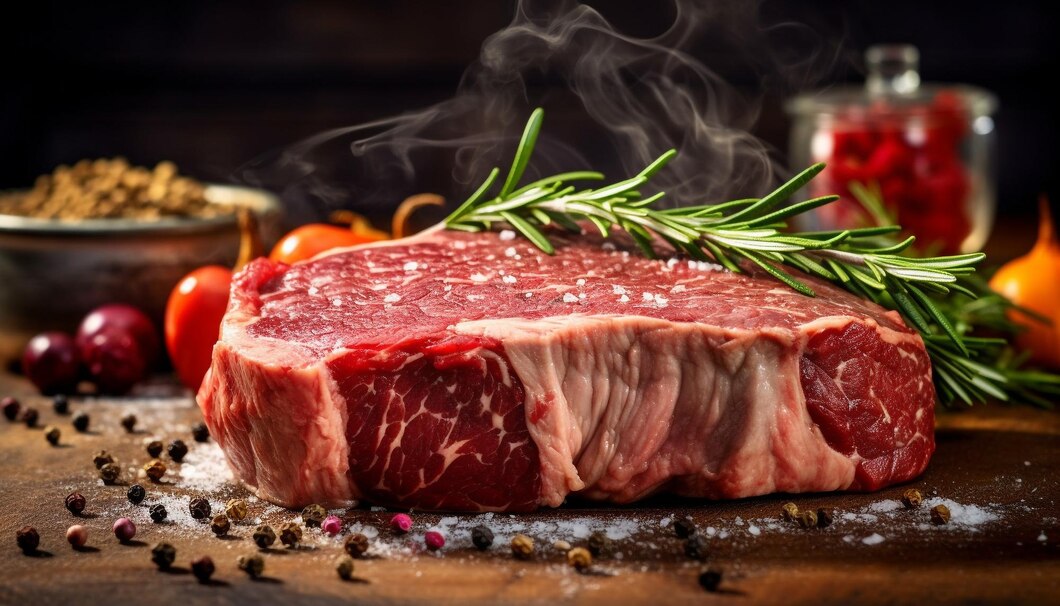
In recent years, there has been a noticeable increase in the consumption of meat within the Mediterranean diet. This is particularly true for red meats like lamb and beef, which are now being incorporated into daily meals more frequently. The shift toward eating more meat, especially red meat, can be attributed to several factors, including:
- Globalization and Western Influence: With the rise of global food culture and Western dietary habits, many Mediterranean countries have seen an increase in the popularity of meat-heavy meals. The global demand for beef and pork has led to more frequent availability and consumption of these meats within Mediterranean households and restaurants.
- Economic Changes: As economies in Mediterranean countries have improved, there has been a growing middle class with the means to purchase more expensive foods like red meats. The affordability of meat has made it a staple in many households where fish and poultry were once the primary sources of protein.
- Changing Attitudes Toward Health and Nutrition: While the Mediterranean diet has always been associated with health benefits, modern interpretations have adapted to contemporary nutritional knowledge. Many individuals now believe that eating moderate amounts of meat—especially high-quality, grass-fed, or pasture-raised varieties—can provide essential nutrients like protein, iron, and B vitamins. Meat has increasingly been seen as an important part of a balanced and varied diet.
- Cultural Shifts: In some Mediterranean countries, there is a renewed interest in traditional meat-based dishes that have been passed down through generations. These cultural shifts have led to a revival of older meat-centric recipes and culinary traditions.
- Sustainability and Local Farming: As sustainable farming practices become more prominent, some Mediterranean countries have embraced locally sourced, organic meats. By focusing on small-scale, ethical farming practices, these regions aim to reduce their environmental footprint while still incorporating more meat into the diet.
The Health Implications of the Rise of Meat
While the Mediterranean diet has long been celebrated for its health benefits, the rise of meat within this eating pattern has raised some important questions about its impact on health.
Red meat consumption has long been associated with various health risks, such as increased rates of heart disease, cancer, and diabetes. However, many experts argue that the health risks of red meat are largely related to the way it is produced and consumed. In the Mediterranean context, where meat is often grass-fed, hormone-free, and eaten in moderation, the health risks may be less pronounced.
The Mediterranean diet also encourages the consumption of plenty of fruits, vegetables, legumes, and whole grains, all of which provide fiber, antioxidants, and other nutrients that can help mitigate the negative health effects of consuming red meat. Furthermore, the emphasis on olive oil, a heart-healthy fat, and moderate wine consumption has been shown to reduce the risk of cardiovascular disease and other chronic conditions.
Ultimately, the key to incorporating meat into the Mediterranean diet is balance. By focusing on portion control, choosing high-quality meat, and maintaining a plant-heavy eating pattern, individuals can enjoy the benefits of meat while still adhering to the principles of the Mediterranean diet.
What About Sustainability?
Sustainability is another key consideration in the rise of meat in the Mediterranean diet. As the global demand for meat continues to grow, there are concerns about the environmental impact of livestock farming, including greenhouse gas emissions, deforestation, and water usage.
In the Mediterranean region, however, there is a strong emphasis on sustainable and ethical farming practices, which aim to reduce the environmental footprint of meat production. Many Mediterranean countries are focusing on local, small-scale farming methods that prioritize animal welfare and environmental responsibility. This approach allows consumers to enjoy meat while minimizing its negative impact on the planet.
FAQs about the Rise of Meat in the Mediterranean Diet

The rise of meat in the Mediterranean diet can be attributed to several factors, including globalization, economic changes, and shifting attitudes towards health and nutrition. As economies grow and consumer preferences evolve, meat is becoming a more common part of the diet in Mediterranean countries.
Yes, the Mediterranean diet can still be healthy with the rise of meat, as long as it is consumed in moderation. The key is to focus on high-quality meats, such as grass-fed or pasture-raised varieties, and to maintain the diet’s emphasis on plant-based foods like fruits, vegetables, and whole grains.
The Mediterranean diet traditionally includes moderate amounts of lean proteins, such as fish, poultry, and red meats like lamb and beef. The key is to choose high-quality, locally sourced, and sustainably produced meats whenever possible.
To incorporate more meat into your Mediterranean diet, try adding small portions of grass-fed beef, lamb, or free-range poultry to your meals. Pair it with plenty of vegetables, whole grains, and legumes to maintain a balanced approach.
Red meat can be part of a healthy Mediterranean diet when consumed in moderation and sourced responsibly. Focusing on lean cuts, grass-fed options, and limiting processed meats can help reduce health risks associated with red meat consumption.
Conclusion
The rise of meat in the Mediterranean diet represents a shift towards a more varied and flexible interpretation of this traditional eating pattern. While the emphasis on plant-based foods remains central, the inclusion of moderate amounts of meat—especially high-quality, sustainable options—can enhance the diet’s nutritional profile without compromising its health benefits.
As Mediterranean countries continue to adapt to changing cultural, economic, and environmental circumstances, the role of meat in the diet will likely continue to evolve. By embracing balance and sustainability, the Mediterranean diet can remain a model for healthy, enjoyable, and responsible eating for generations to come.
Discover more from Epexshop
Subscribe to get the latest posts sent to your email.

