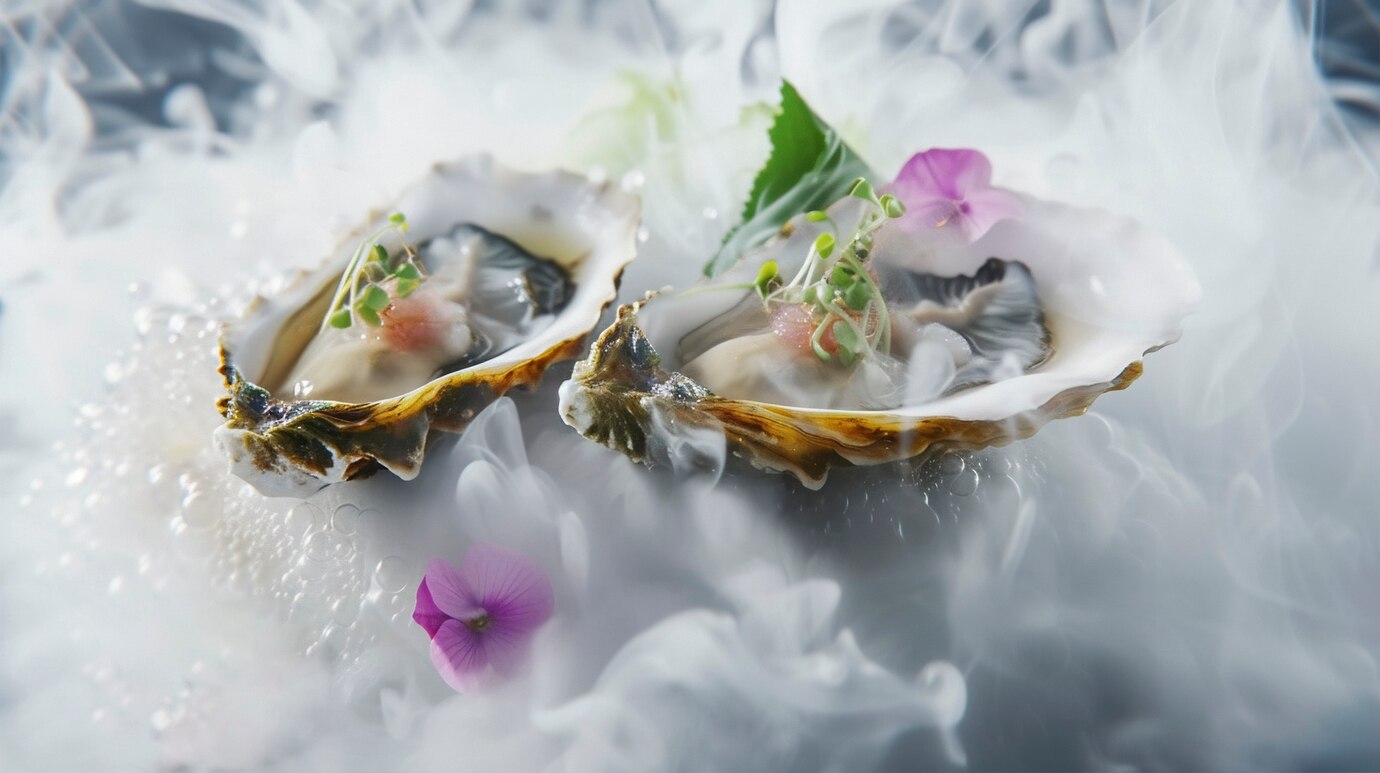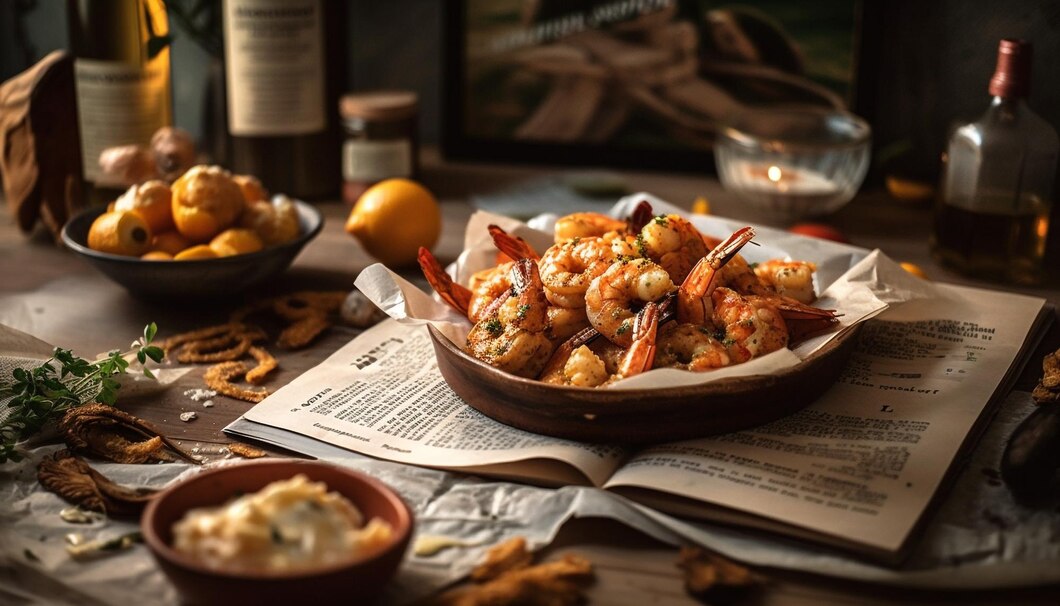
When you think of Portugal, you might immediately envision its picturesque coastal towns, golden beaches, and, of course, its rich seafood traditions. Portuguese seafood is more than just a key part of the country’s cuisine; it is a cultural cornerstone that has influenced various global culinary traditions. From its seafaring history to its vibrant market culture, Portuguese seafood has left an indelible mark on world cuisine. Let’s dive deep into the influence of Portuguese seafood traditions on global cuisines, its diverse uses, and why it continues to play such an important role in cooking worldwide.
Portuguese Seafood: A Rich Maritime Tradition
Portugal’s long coastline stretches along the Atlantic Ocean, providing the country with a bounty of fresh seafood that has shaped its food culture for centuries. The Portuguese people have developed distinct techniques to prepare and preserve seafood, making it an integral part of their daily meals. From salt cod (bacalhau) to sardines, octopus, and shellfish, the variety of seafood found in Portuguese cuisine is truly remarkable.
Portuguese seafood dishes often focus on simplicity, allowing the natural flavors of the fish and shellfish to shine. This cooking style has influenced many other countries, particularly those with coastal regions or fishing traditions. Countries like Brazil, Angola, and even parts of Spain have incorporated Portuguese seafood techniques and ingredients into their own local cuisines, further expanding the global footprint of Portuguese seafood traditions.
The Key Portuguese Seafood Dishes That Have Gone Global
- Bacalhau (Salt Cod)
One of the most iconic Portuguese seafood dishes is bacalhau, or salt cod. It is said that there are more than 365 ways to prepare bacalhau in Portugal—one for each day of the year! The tradition of drying and salting cod fish dates back centuries when preserving fish for long sea voyages was necessary. This preservation method made bacalhau an essential ingredient in the Portuguese diet, especially during the long Lenten periods.
Bacalhau’s influence can be seen across the globe, from the Azores to Brazil, where it is a staple in many dishes. In Brazil, bacalhau is often featured in festive dishes like bacalhoada, a dish with cod, potatoes, olives, and hard-boiled eggs. This unique Portuguese seafood tradition has spread to other countries, where it is often served on special occasions, such as Christmas and Easter.
- Grilled Sardines (Sardinhas Assadas)
Sardinhas assadas or grilled sardines are a popular dish in Portugal, especially during the summer months. The simplicity of this dish—sardines grilled with just a touch of olive oil, salt, and pepper—perfectly highlights the natural flavors of the fish. This dish is a hallmark of Portuguese coastal towns, where locals gather to enjoy sardines at festivals or alongside a glass of vinho verde (green wine).
The tradition of grilling sardines has been embraced in various parts of the world, especially in Mediterranean countries. In Brazil, sardines are often served grilled or fried, and the popularity of grilling fish in many coastal regions across the globe is undoubtedly influenced by Portuguese cooking techniques.
- Caldeirada (Portuguese Seafood Stew)
Caldeirada is a beloved Portuguese seafood stew made with a variety of fresh fish and shellfish. The dish is typically cooked with tomatoes, onions, garlic, and herbs, creating a rich, flavorful broth that perfectly complements the tender seafood. The concept of a seafood stew has traveled far beyond Portugal’s borders and is now a staple in many coastal nations, including Spain, France, and even parts of the Caribbean.
In Brazil, caldeirada has evolved into the Brazilian moqueca, a similar seafood stew made with coconut milk, palm oil, and a variety of spices. This global exchange of flavors highlights the enduring influence of Portuguese seafood traditions on international cuisines.
- Ameijoas à Bulhão Pato (Clams in Garlic and Cilantro)
This dish is one of Portugal’s simplest and most delicious seafood recipes. Ameijoas à bulhão pato features tender clams sautéed with garlic, cilantro, and a splash of white wine. This dish is beloved in Portugal, where it is often enjoyed as an appetizer or a light main course.
Across the globe, variations of this dish can be found in regions that share Portugal’s love of shellfish. In parts of the Mediterranean, similar dishes using clams or other shellfish are common, showcasing the global appreciation for fresh, garlicky seafood.
- Polvo à Lagareiro (Octopus with Olive Oil and Garlic)
Polvo à lagareiro is a quintessential Portuguese dish in which octopus is roasted with garlic, olive oil, and herbs, typically served with roasted potatoes. This dish highlights the Portuguese expertise in preparing octopus, a seafood that many cultures have adopted in various forms.
The influence of Portuguese-style octopus can be seen in countries like Spain, Italy, and even Japan, where octopus is often featured in seafood dishes. The use of olive oil and garlic as the primary flavor agents in many Portuguese seafood recipes has had a lasting influence on global cooking techniques.
How Portuguese Seafood Traditions Impacted Global Cuisines
- Mediterranean Influence
Portugal shares much of its maritime and seafood culture with its Mediterranean neighbors, including Spain, Italy, and Greece. Portuguese seafood dishes, such as grilled sardines and octopus, have become staples across the Mediterranean region, where grilling fish and seafood is a long-standing tradition.
- Brazilian Culinary Legacy
Given the historical connection between Portugal and Brazil, Portuguese seafood traditions have had a profound influence on Brazilian cuisine. Dishes like bacalhoada (salt cod) and caldeirada (seafood stew) have been adapted and embraced in Brazilian cooking, creating an overlap between the two nations’ culinary histories.
- African Impact
Portuguese seafood traditions also traveled to parts of Africa, particularly Angola and Mozambique, due to historical trade and colonization. These nations adopted many Portuguese seafood techniques, including salt cod preservation and seafood stews. The result is a fusion of flavors that blends Portuguese and African culinary influences.
- Caribbean and Southern USA
The popularity of seafood in the Caribbean and southern United States can also be traced back to Portuguese culinary traditions. Dishes like seafood stews, grilled fish, and clams prepared with garlic and herbs can be found in regions that share similar coastal climates, showcasing the adaptability of Portuguese seafood methods in different cultural contexts.
FAQs About Portuguese Seafood Traditions

Bacalhau (salt cod) is arguably the most iconic Portuguese seafood dish. It is featured in hundreds of recipes across the country and holds cultural significance in Portugal.
Bacalhau is important because it was historically a way to preserve fish for long periods. Its versatility in cooking has made it a staple in Portuguese homes for centuries.
Caldeirada is a traditional Portuguese seafood stew made with various types of fresh fish, shellfish, tomatoes, garlic, and herbs. It’s a comforting dish that represents the flavors of the Portuguese coastline.
Portuguese seafood traditions, including the use of salt cod and seafood stews, were adopted in Brazil. Dishes like bacalhoada and moqueca show the fusion of Portuguese and Brazilian seafood cooking.
Countries like Spain, Italy, Mozambique, and parts of the Caribbean have embraced Portuguese seafood cooking techniques, adapting them to local ingredients and culinary styles.
Conclusion
The influence of Portuguese seafood traditions on global cuisines cannot be overstated. From the salty delight of bacalhau to the rich stews like caldeirada, Portuguese seafood has become a fixture in many international kitchens. As these traditions continue to evolve, they bring people together through the shared love of fresh, flavorful seafood. Whether you’re enjoying a grilled sardine on the Mediterranean coast or savoring a hearty seafood stew in Brazil, the legacy of Portuguese seafood is alive and well, continuing to inspire cooks and food lovers around the world.
Discover more from Epexshop
Subscribe to get the latest posts sent to your email.