Table of contents
In today’s health-conscious world, Plant-Based Protein is gaining significant popularity — and for good reason. With a growing number of people choosing vegetarian, vegan, or flexitarian diets, plant-based nutrition has become a cornerstone of healthy living. But what exactly is Plant-Based Protein, and how does it benefit the body? Let’s dive deep into the science behind it and explore its top sources and impressive health benefits.
What is Plant-Based Protein?
Plant-Based Protein refers to protein that is derived entirely from plant sources such as legumes, grains, nuts, seeds, and vegetables. Unlike animal-based proteins, these proteins are free from cholesterol and generally lower in saturated fats. They are often packed with essential nutrients, fiber, and antioxidants, making them a powerhouse choice for overall health.
Complete vs Incomplete Proteins
A common question about Plant-Based Protein is whether it’s “complete” — meaning it contains all nine essential amino acids the human body cannot produce on its own. Some plant proteins, like quinoa, soy, buckwheat, and hemp seeds, are complete proteins. Others, like rice or beans, are “incomplete,” but when consumed in combination (like rice and beans), they can provide all essential amino acids.
Top Sources of Plant-Based Protein
Here are some of the richest and most accessible sources of Plant-Based Protein:
1. Legumes
Beans, lentils, and chickpeas are packed with protein and fiber. One cup of cooked lentils provides about 18 grams of protein.
2. Quinoa
This grain-like seed is a complete protein, offering about 8 grams per cooked cup, along with magnesium, iron, and fiber.
3. Tofu and Tempeh
Both made from soybeans, tofu and tempeh are highly versatile and contain around 15–20 grams of protein per serving.
4. Nuts and Seeds
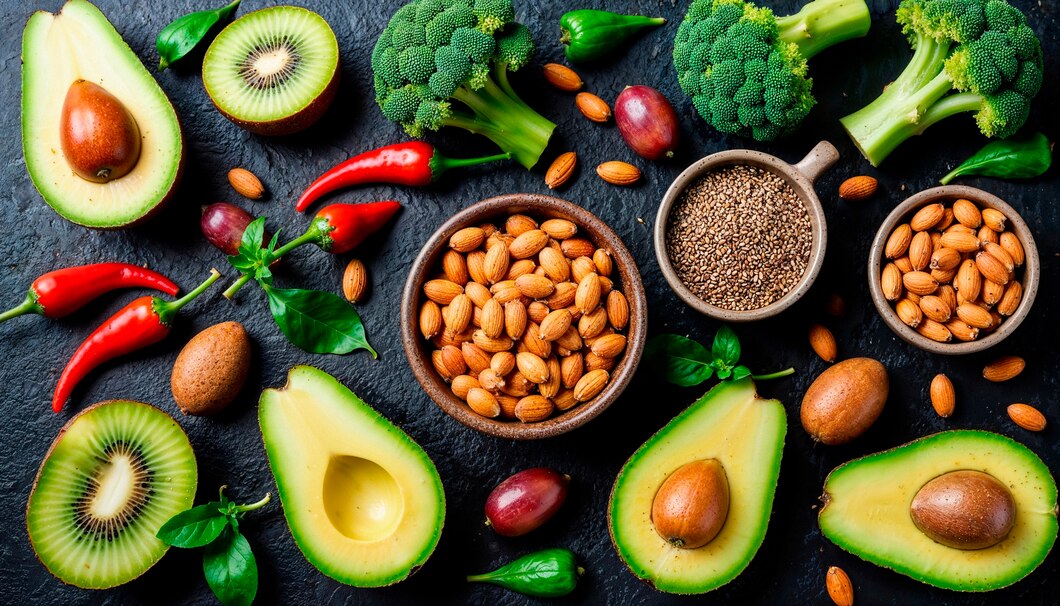
Almonds, chia seeds, flaxseeds, sunflower seeds, and peanuts are excellent for snacks and smoothies. They offer healthy fats and about 5–7 grams of protein per ounce.
5. Whole Grains
Oats, brown rice, barley, and whole wheat are surprisingly good protein sources. Oats, for example, contain about 6 grams of protein per cup.
6. Seitan
Made from wheat gluten, seitan mimics the texture of meat and boasts around 21 grams of protein per 3-ounce serving.
Benefits of Plant-Based Protein
Adding Plant-Based Protein to your diet comes with several science-backed benefits:
1. Heart Health
Studies show that replacing animal proteins with plant proteins may reduce LDL cholesterol and blood pressure, lowering the risk of cardiovascular disease.
2. Weight Management
Due to their high fiber content, plant proteins promote satiety, helping with appetite control and weight management.
3. Gut Health
The fiber in plant foods supports a healthy gut microbiome, improving digestion and nutrient absorption.
4. Reduced Inflammation
Many plant-based foods contain phytonutrients and antioxidants that help reduce chronic inflammation in the body.
5. Environmental Impact
Producing Plant-Based Protein generally uses fewer resources and produces fewer greenhouse gases than animal-based sources, making it a more sustainable choice.
How Much Protein Do You Need?
Most adults require about 0.8 grams of protein per kilogram of body weight per day. For active individuals or athletes, this may increase to 1.2–2.0 grams/kg. With a diverse plant-based diet, it’s entirely possible to meet — and even exceed — these needs without animal products.
5 Frequently Asked Questions About Plant-Based Protein
Yes! With adequate calorie intake and a balanced mix of complete proteins, muscle growth is entirely achievable on a plant-based diet.
Yes, soy is safe for most people when eaten in moderation. It has been linked to reduced risk of heart disease and may even support hormonal balance.
Not necessarily. If you eat a variety of protein-rich plant foods, supplements are optional. However, athletes or those with high protein needs may benefit from plant-based protein powders.
They can be, especially when they come with fiber and fewer saturated fats. However, some individuals may experience bloating with certain legumes or soy.
It depends on your health goals. Plant-based protein offers added fiber and phytonutrients and is associated with a lower risk of chronic diseases. However, both types can be part of a healthy diet.
Final Thoughts
Plant-Based Protein is not just a trend — it’s a scientifically-supported, health-boosting option for anyone looking to improve their diet. Whether you’re vegetarian, vegan, or just cutting back on animal products, incorporating more plant-based proteins can offer big benefits for your health, the planet, and your plate.
So the next time you’re planning a meal, remember: plant power is protein power!
Discover more from Epexshop
Subscribe to get the latest posts sent to your email.