
Table of contents
Chocolate is a beloved treat that has transcended cultures and generations. Its rich, sweet taste has become a symbol of luxury, celebration, and comfort. But have you ever wondered about the invention of chocolate and how it came to be the global phenomenon it is today? In this post, we’ll take a fascinating journey through time to explore the origins of chocolate, its evolution into the form we know today, and how it has spread worldwide.
The Origins of Chocolate: From Ancient Civilizations to the Invention of Chocolate
The story of chocolate begins thousands of years ago with the ancient civilizations of Mesoamerica, particularly the Olmec, Maya, and Aztec peoples. These civilizations were the first to cultivate cacao, the key ingredient in chocolate, and they developed an early form of chocolate that was vastly different from what we recognize today.
The Olmec Civilization
Around 1500 BCE, the Olmec civilization in present-day Mexico is believed to have been the first to discover the cacao bean. They used the cacao beans as both a currency and as an ingredient in a bitter beverage. The Olmec people didn’t use the cacao in the sweetened form we are familiar with today, but rather, they drank a mixture of ground cacao beans with spices, chili peppers, and other flavorings.
The Maya and the Aztecs: The Rise of Chocolate as a Beverage
The Maya, who came after the Olmecs, further refined the use of cacao. By around 250 CE, the Maya had started to cultivate cacao for its seeds, which were used in a ceremonial drink. This beverage, called xocolatl, was a frothy, bitter drink made from cacao, water, and spices like vanilla and chili. Unlike today’s sweet chocolate, this drink was far from the treat we recognize.
The Aztecs, who followed the Maya, took chocolate consumption to new heights. The Aztec emperor Montezuma II was known to have consumed large quantities of xocolatl, which he believed had aphrodisiacal properties and provided strength and energy. Cacao beans were so valuable in Aztec society that they were used as currency and presented as tributes to the emperor.
The European Transformation of Chocolate: Sweetening the Deal
The invention of chocolate in its modern form is credited to the Europeans, who were introduced to cacao during their exploration of the Americas in the 15th and 16th centuries. When Spanish conquistadors arrived in the Aztec empire in the early 1500s, they were introduced to chocolate by the Aztecs. At first, the Spanish were unsure about the bitter, spicy drink, but they soon added sugar and cinnamon to sweeten it, which was the beginning of the transformation of chocolate into a dessert.
The Spread of Chocolate in Europe
By the 17th century, chocolate had made its way across Europe, where it was embraced by the aristocracy. Initially, it remained a drink enjoyed only by the wealthy, as cacao beans were expensive to import. The first European chocolate house opened in London in 1657, and the popularity of chocolate spread throughout Europe.
The addition of milk to chocolate was a later innovation, with the first solid chocolate bar being created in the 19th century. This was made possible by advances in food processing technology, including the invention of the conching machine by Rodolphe Lindt in 1879. This machine helped make chocolate smoother and more refined, improving its texture and taste.
The Birth of the Chocolate Bar
In 1847, the first solid chocolate bar was created by the British company Fry & Sons, but it wasn’t until the 20th century that chocolate bars became a global sensation. The industrial revolution allowed chocolate to be mass-produced, making it more affordable and accessible to the general public. In 1900, milk chocolate was introduced by the Swiss chocolatier Daniel Peter, marking the beginning of the chocolate bars that we know and love today.
The Global Journey of Chocolate
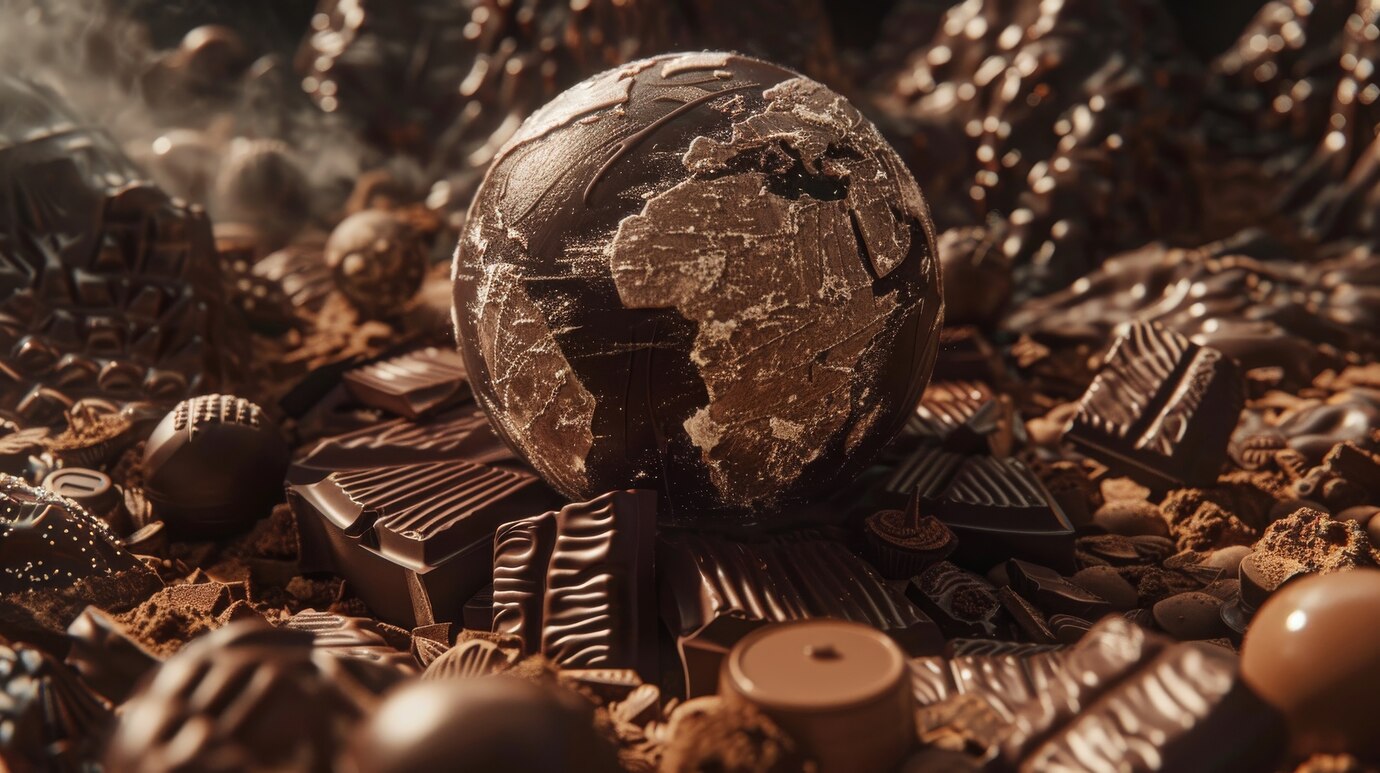
Chocolate’s journey from ancient Mesoamerica to a global indulgence is truly remarkable. Today, chocolate is enjoyed in countless forms: from hot cocoa and chocolate bars to truffles and candies. The worldwide popularity of chocolate can be attributed to several factors, including its deep connection to culture, its evolution into various forms, and the ongoing innovation in the chocolate-making process.
As chocolate spread across the globe, it was adapted to fit different cultural preferences. For example, in Italy, chocolate became a key ingredient in rich desserts like tiramisu and gelato, while in France, chocolate evolved into the beloved bonbon. In the United States, chocolate bars became a common snack food, and brands like Hershey and Nestlé revolutionized the market with their mass-produced confections.
The chocolate industry also saw a rise in ethical and sustainability initiatives. As global awareness of the challenges faced by cacao farmers grew, companies began adopting fair trade practices to ensure that cacao producers were compensated fairly for their work. Today, chocolate is not only a treat but also a way to support better working conditions and environmental sustainability.
FAQs About the Invention of Chocolate

Chocolate was not invented by a single person. The origins of chocolate date back to ancient Mesoamerican civilizations such as the Olmec, Maya, and Aztecs, who discovered the cacao bean and created a bitter drink. The invention of chocolate in its modern sweet form is credited to Europeans, who added sugar and milk to the drink, eventually transforming it into solid chocolate.
The Olmecs, around 1500 BCE, were the first to use cacao beans. They drank a bitter mixture made from ground cacao beans. The Maya and Aztecs further developed this beverage, but it wasn’t until the Spanish conquest in the 16th century that chocolate began to be sweetened and transformed into a dessert.
The first solid chocolate bar was created in 1847 by the British company Fry & Sons. However, the modern milk chocolate bar, as we know it today, was developed in the late 19th century, with contributions from inventors like Daniel Peter and Rodolphe Lindt.
Chocolate spread across Europe after the Spanish introduced it to the continent in the 16th century. Over time, the drink evolved into solid chocolate, and during the 19th and 20th centuries, the industrial revolution made chocolate more affordable and accessible, leading to its global popularity.
Yes, chocolate is made from cacao beans, but other ingredients, such as sugar, milk, and vanilla, are often added to create the various forms of chocolate we enjoy today. Dark chocolate contains a higher percentage of cacao, while milk chocolate contains milk powder or condensed milk.
Conclusion
The invention of chocolate is a rich and complex story that spans thousands of years and continents. From its beginnings as a bitter drink in ancient Mesoamerica to the sweet, solid chocolate we enjoy today, chocolate’s global journey is a testament to human creativity and innovation. Whether you enjoy it in a hot drink, a candy bar, or as part of a dessert, chocolate has firmly established itself as one of the world’s most beloved treats.
Discover more from Epexshop
Subscribe to get the latest posts sent to your email.

