Table of contents
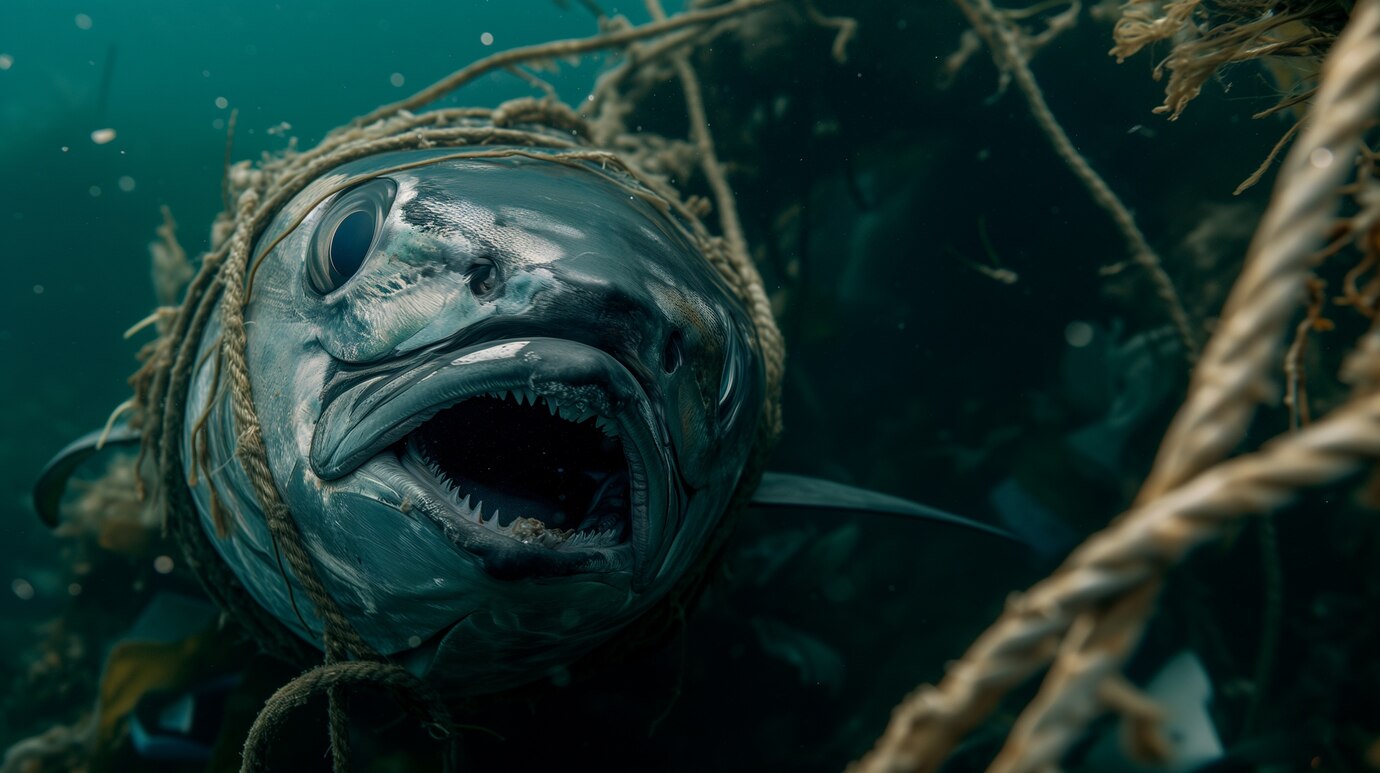
Overfishing is a global issue that is steadily increasing, placing immense pressure on marine ecosystems and causing severe environmental damage. As human demand for seafood grows, the consequences of overfishing become more apparent, affecting both marine biodiversity and the livelihoods of communities that depend on fish for sustenance. In this blog post, we will explore the environmental impact of overfishing, its consequences, and the actions we must take to address this urgent issue.
What is Overfishing?
Overfishing occurs when fish are caught faster than they can reproduce, leading to a depletion of fish populations. This happens when fishing practices exceed sustainable limits, disrupting the balance of marine ecosystems. Overfishing not only affects the species targeted by commercial fisheries but also harms the broader environment, including coral reefs, seabeds, and other marine life.
The Impact of Overfishing on Marine Ecosystems
1. Disruption of Food Chains
The oceans’ food chains are delicate systems where each species plays a role in maintaining ecosystem balance. When overfishing removes a significant number of fish, it disrupts these food chains. Smaller fish populations, which serve as food for larger predators, decrease, leading to an imbalance in the ecosystem. The result is a reduction in the availability of food for other marine animals, causing population declines and ecosystem destabilization.
2. Loss of Biodiversity
One of the most significant environmental impacts of overfishing is the loss of biodiversity. Many fish species, such as tuna, cod, and haddock, have seen drastic population declines due to overfishing. When these species are overexploited, other marine life that depends on them for food or habitat is also affected. The decline in biodiversity weakens ecosystems, making them less resilient to changes such as climate change and pollution.
3. Destruction of Habitats
Overfishing often leads to destructive fishing practices, such as bottom trawling, which involves dragging heavy nets along the ocean floor. This practice destroys coral reefs, seagrass beds, and other important marine habitats. These habitats provide shelter and breeding grounds for countless species, and their destruction has long-lasting effects on the entire ecosystem. As habitats vanish, the species that rely on them struggle to survive, further exacerbating the environmental impact of overfishing.
4. Impact on Coral Reefs
Coral reefs are some of the most biodiverse ecosystems on Earth. However, they are extremely vulnerable to the consequences of overfishing. Destructive fishing techniques, such as dynamite fishing and cyanide fishing, not only kill the fish targeted for harvest but also damage coral structures. This damage prevents corals from growing and reproducing, making them more susceptible to disease and bleaching events. The loss of coral reefs affects the thousands of species that rely on these ecosystems for food and shelter.
5. Decrease in Fish Populations and Fisheries Collapse
Overfishing can lead to the collapse of entire fisheries, where fish populations are reduced to unsustainable levels. As fish numbers dwindle, commercial fishing industries may find it harder to catch enough fish to meet market demand, leading to economic consequences for fishing communities. In some regions, entire fisheries have collapsed, leaving thousands of people without a livelihood. If overfishing continues unchecked, it could lead to the complete collapse of marine ecosystems, which would have devastating effects on food security worldwide.
The Consequences of Overfishing
1. Impact on Global Food Security
Fish and seafood are a primary source of protein for billions of people around the world, particularly in coastal and island communities. As fish populations decline due to overfishing, the availability of seafood decreases, leading to food shortages. This threatens global food security, especially in countries where seafood is a significant part of the diet. Moreover, the depletion of fish stocks can drive up prices, making seafood unaffordable for many people.
2. Economic Consequences for Fishing Communities
The economic consequences of overfishing are also significant. In many parts of the world, fishing is a major industry that supports the livelihoods of millions of people. As fish stocks decrease, fishermen may struggle to catch enough fish to support their families and businesses. The loss of fish populations can also hurt related industries, such as processing, distribution, and tourism. In extreme cases, entire fishing communities can face economic collapse, which creates social and political instability.
3. Impact on Climate Change
Overfishing also contributes to climate change. The oceans play a critical role in regulating the Earth’s climate by absorbing carbon dioxide from the atmosphere. However, the destruction of marine ecosystems, such as coral reefs and seagrass beds, diminishes the ocean’s ability to store carbon. The degradation of fish populations further exacerbates this issue, as healthy marine ecosystems are vital for maintaining the Earth’s carbon balance.
What Can Be Done to Address Overfishing?
Addressing the environmental impact of overfishing requires global collaboration, stricter regulations, and more sustainable fishing practices. Below are some steps that can help mitigate the effects of overfishing:
1. Implement Sustainable Fishing Practices
Governments and international organizations must work together to implement sustainable fishing practices that limit the number of fish caught and allow populations to recover. Sustainable fishing includes methods such as catch limits, seasonal fishing restrictions, and the use of selective fishing gear that reduces bycatch.
2. Create Marine Protected Areas
Establishing marine protected areas (MPAs) where fishing is restricted or prohibited is essential for the recovery of fish populations. MPAs provide safe havens for marine life, allowing ecosystems to regenerate and fish stocks to recover. The creation of MPAs has been proven to help restore biodiversity and improve the health of marine ecosystems.
3. Promote Consumer Awareness
Raising awareness about the environmental impact of overfishing can help consumers make more informed choices when purchasing seafood. Choosing sustainably sourced seafood from responsible fisheries helps support practices that protect marine ecosystems and ensures that fish populations remain healthy.
4. Support Fishermen with Alternative Livelihoods
Supporting fishermen in transitioning to more sustainable practices is key to solving the overfishing problem. Providing incentives for adopting sustainable fishing methods or alternative livelihoods, such as eco-tourism or aquaculture, can reduce pressure on wild fish populations and help ensure the long-term viability of fishing communities.
FAQ

Overfishing reduces fish populations, disrupting food chains and ecosystems. It also harms marine habitats, such as coral reefs, which provide shelter and food for a variety of species, leading to a loss of biodiversity.
Overfishing reduces the availability of seafood, which is a major source of protein for billions of people. This can lead to food shortages and price increases, affecting global food security.
Yes, overfishing can deplete fish populations to unsustainable levels, leading to the collapse of entire fisheries. This can result in economic hardship for communities dependent on fishing for their livelihoods.
Sustainable fishing practices include setting catch limits, seasonal fishing restrictions, and using selective fishing gear that minimizes bycatch. These practices help ensure fish populations can recover and thrive.
Marine protected areas (MPAs) are regions where fishing is restricted or prohibited, allowing fish populations to recover. They help protect biodiversity and restore the health of marine ecosystems by providing safe spaces for marine life to thrive.
Conclusion
The impact of overfishing on the environment is severe and far-reaching, with consequences that affect not only marine life but also the well-being of millions of people around the world. It is essential that we act now to implement sustainable fishing practices, protect marine ecosystems, and raise awareness about the importance of preserving our oceans. By working together, we can safeguard the future of our seas and ensure a healthy, thriving marine environment for generations to come.
Discover more from Epexshop
Subscribe to get the latest posts sent to your email.