
Table of Contents
Podcasting has exploded in popularity, offering a unique platform to share your voice, build a community, and generate income. But launching a successful podcast requires more than a microphone and an idea. This guide will walk you through the essential steps, from setting up your equipment to marketing your show, ensuring you build a podcast that resonates with your audience.
Why Start a Podcast?
- Reach a Niche Audience: Connect with a specific audience interested in your topic.
- Build Authority: Establish yourself as an expert in your field.
- Create Engaging Content: Share your stories, insights, and expertise in a conversational format.
- Generate Income: Monetize your podcast through sponsorships, ads, or premium content.
- Network and Collaborate: Connect with other creators and industry professionals.
Phase 1: Planning and Preparation
- Define Your Niche and Target Audience:
- Choose a specific topic you’re passionate about and knowledgeable in.
- Identify your ideal listener and tailor your content to their interests.
- Develop Your Podcast Concept:
- Determine your podcast format (interview, solo, co-hosted, storytelling).
- Plan your episode structure and length.
- Create a compelling podcast title and description.
- Create Your Podcast Artwork and Intro/Outro Music:
- Design eye-catching cover art that represents your brand.
- Choose or create engaging intro and outro music.
Phase 2: Equipment and Recording
- Select Your Recording Equipment:
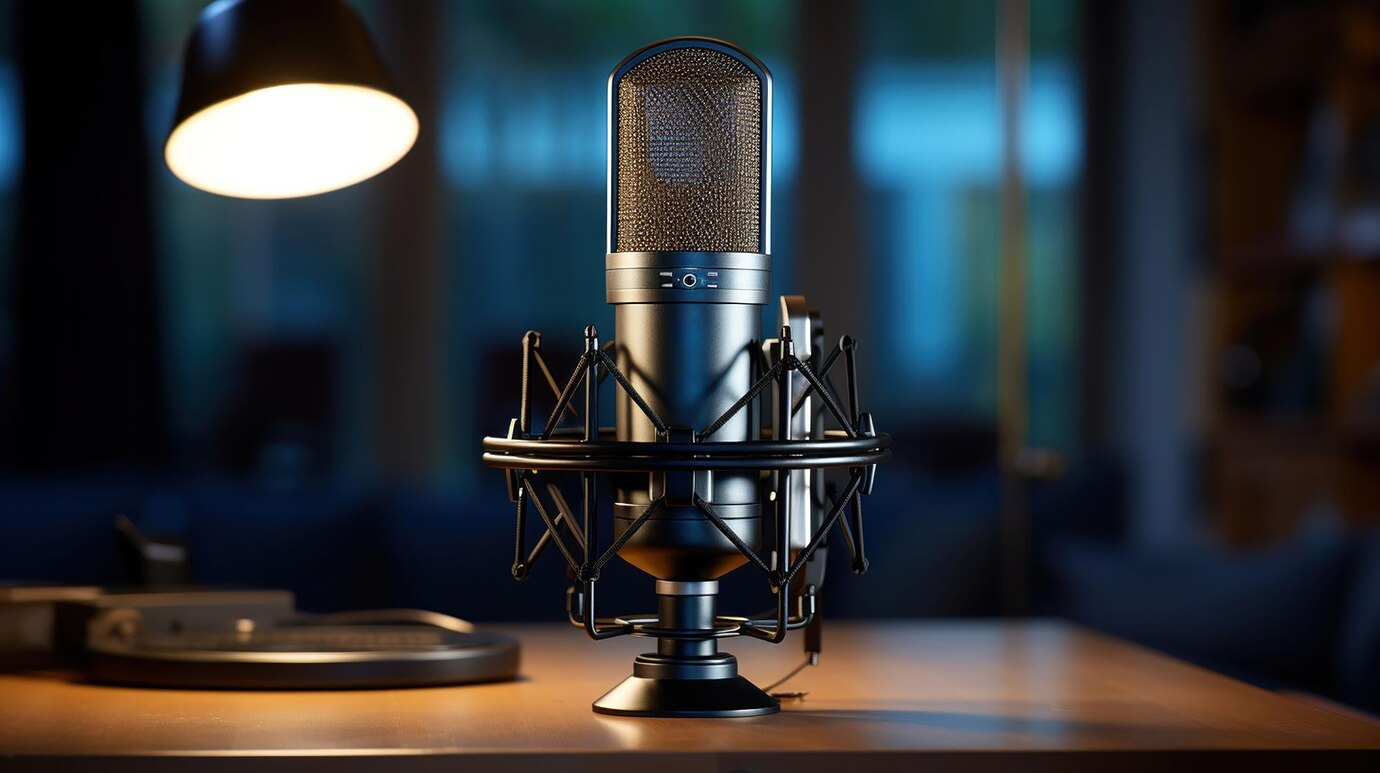
- Microphone: A USB microphone (e.g., Rode PodMic USB, Audio-Technica ATR2100x-USB) is a great starting point.
- Headphones: Essential for monitoring audio quality.
- Recording Software: Audacity (free) or Adobe Audition (paid) are popular choices.
- Pop Filter and Microphone Stand: Improve audio clarity and stability.
- Acoustic Treatment (Optional): Improve sound quality in your recording space.
- Record Your Episodes:
- Find a quiet recording environment.
- Practice speaking clearly and naturally.
- Edit your audio to remove errors and improve sound quality.
- Choose a Podcast Hosting Platform:
- Platforms like Buzzsprout, Libsyn, and Podbean store your audio files and distribute them to podcast directories.
- Consider factors like storage space, bandwidth, and analytics.
Phase 3: Marketing and Promotion
- Submit Your Podcast to Directories:
- Submit your podcast to Apple Podcasts, Spotify, Google Podcasts, and other popular directories.
- Create a Podcast Website and Social Media Presence:
- Build a website to host your show notes, transcripts, and other resources.
- Promote your podcast on social media platforms relevant to your audience.
- Engage with Your Audience:
- Respond to comments and messages.
- Ask for feedback and suggestions.
- Build a community around your podcast.
- Promote Your Podcast Through Guest Appearances and Collaborations:
- Reach out to other podcasters in your niche and offer to be a guest.
- Collaborate with other creators to cross-promote your shows.
- Utilize SEO Strategies:
- Use relevant keywords in your podcast title, description, and show notes.
- Create transcripts of your episodes to improve search engine visibility.
- Consider Paid Advertising:
- Explore paid advertising options on social media or podcast platforms.
- Target your ads to reach your ideal listener.
Benefits of a Successful Podcast:
- Increased Brand Awareness: Grow your online presence and reach a wider audience.
- Lead Generation: Attract potential customers or clients.
- Community Building: Connect with like-minded individuals and build a loyal following.
- Monetization Opportunities: Generate income through various channels.
FAQ:
The cost varies depending on your equipment and hosting choices. You can start with basic equipment and free software, or invest in professional gear.
Episode length depends on your content and audience preferences. Aim for a consistent length that keeps listeners engaged.
Consistency is key. Aim for a regular schedule, such as weekly or bi-weekly.
Build a strong audience and demonstrate your podcast’s value to potential sponsors. Reach out to brands in your niche.
Promote your podcast on social media, collaborate with other creators, and utilize SEO strategies
Discover more from Epexshop
Subscribe to get the latest posts sent to your email.

