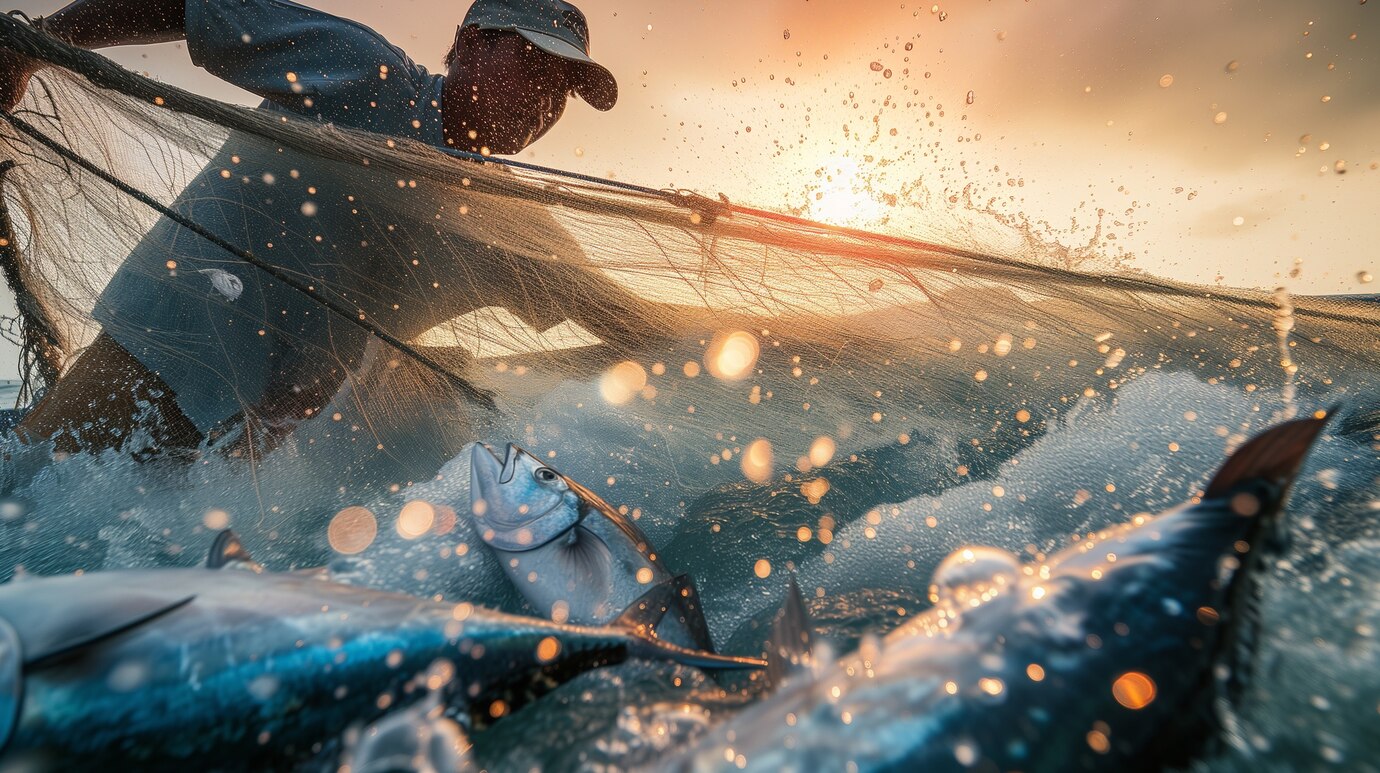
Fishing is an age-old practice that sustains communities, supports economies, and provides a vital source of food for millions of people around the world. However, with the growing pressures of overfishing, habitat destruction, and climate change, it has become more important than ever to adopt sustainable fishing practices to ensure the future of our oceans and the industries dependent on them. In this blog post, we will explore what sustainable fishing practices are, why they are important, and how they can positively impact the future of marine ecosystems and communities.
What Are Sustainable Fishing Practices?
Sustainable fishing practices refer to methods of fishing that maintain fish populations at healthy levels while minimizing environmental damage. The goal is to ensure that fish are caught at a rate that allows the population to regenerate and thrive, while also protecting the broader marine ecosystem from harm. This involves responsible management of fish stocks, use of eco-friendly gear, and safeguarding marine habitats to protect biodiversity.
Some key elements of sustainable fishing practices include:
- Fish Stock Management – Monitoring and regulating fish populations to prevent overfishing.
- Eco-Friendly Fishing Gear – Using fishing gear that minimizes bycatch and habitat damage.
- Marine Protected Areas (MPAs) – Creating safe zones in the ocean where fishing is restricted or banned to allow marine life to thrive.
- Minimizing Carbon Footprint – Reducing energy consumption in fishing operations to limit greenhouse gas emissions.
- Community and Ecosystem Engagement – Involving local communities and stakeholders in conservation efforts to ensure sustainable practices are followed.
The Importance of Sustainable Fishing Practices
The importance of adopting sustainable fishing practices cannot be overstated. The world’s oceans are facing unprecedented challenges, and if these issues are not addressed, the future of our oceans, biodiversity, and fishing industries could be at risk. Below, we explore why sustainable fishing practices are so crucial for the future.
1. Protecting Fish Populations
Overfishing is one of the most significant threats to global fish populations. When fish are caught faster than they can reproduce, populations decline, leading to depleted fisheries and loss of biodiversity. By practicing sustainable fishing, fish populations can regenerate, allowing for a stable and reliable food source in the long term.
2. Preserving Marine Ecosystems
Fishing practices that are not sustainable can have devastating effects on marine ecosystems. For example, trawling, which involves dragging large nets along the ocean floor, can destroy delicate habitats like coral reefs and seafloor ecosystems. Sustainable fishing methods use gear that causes minimal environmental damage and helps maintain the integrity of marine habitats.
3. Supporting Local Economies
Fishing communities around the world depend on healthy fish stocks for their livelihoods. Unsustainable fishing practices can lead to the collapse of local industries, impacting economies and food security. Sustainable fishing practices ensure that fish populations remain abundant, supporting both small-scale and commercial fisheries and ensuring economic stability for local communities.
4. Combating Climate Change
The fishing industry is a significant contributor to greenhouse gas emissions, particularly from the fuel used in fishing boats. Sustainable fishing practices involve energy-efficient technologies and eco-friendly methods that help reduce the carbon footprint of fishing operations. Additionally, healthy marine ecosystems, including fish populations, play a crucial role in regulating the Earth’s climate by absorbing carbon dioxide.
5. Ensuring Future Food Security
Sustainable fishing practices are essential for ensuring long-term food security. Fish are an important source of protein for millions of people worldwide. If fishing continues to deplete fish stocks and destroy marine ecosystems, future generations may not have access to this vital food source. By adopting sustainable practices, we can ensure that future populations continue to have access to affordable, nutritious seafood.
Key Sustainable Fishing Methods
There are several sustainable fishing methods currently being employed to reduce the environmental impact of fishing. Some of the most effective methods include:
- Pole-and-Line Fishing – This technique involves using a single fishing line with a hook to catch fish, which helps to reduce bycatch (unwanted fish or marine life caught unintentionally) and ensures that only the target species are caught.
- Longline Fishing with Circle Hooks – Longline fishing involves using a long line with baited hooks spaced along it. By using circle hooks, which are less likely to hook non-target species, bycatch is significantly reduced.
- Trap Fishing – Traps are used to capture fish in a manner that minimizes harm to both the fish and the surrounding environment. This method is selective, meaning it targets only the species intended for capture.
- Trawling with Modifications – While traditional trawling has significant environmental impacts, modern modifications, such as bycatch reduction devices and specialized nets, can make trawling more sustainable by reducing harm to marine ecosystems.
- Aquaculture (Sustainable Fish Farming) – When done responsibly, aquaculture can provide a sustainable source of seafood. Fish farming systems can be designed to minimize environmental damage, such as avoiding pollution, using responsible feed, and ensuring the welfare of the farmed fish.
How Can We Encourage Sustainable Fishing Practices?
The transition to sustainable fishing practices will require collaboration between governments, industry leaders, local communities, and consumers. Here are a few ways we can encourage sustainable fishing practices:
1. Government Regulations and Policies
Governments must implement and enforce policies that support sustainable fishing, such as setting fishing quotas, creating marine protected areas, and regulating harmful fishing methods. Strong fisheries management and international cooperation are also critical to preventing overfishing and ensuring fish populations are protected.
2. Certification Programs
Certification programs, such as the Marine Stewardship Council (MSC), help consumers identify sustainably sourced seafood. These certifications provide assurance that fishing operations meet sustainability criteria and are committed to maintaining fish stocks and minimizing environmental harm.
3. Public Awareness and Education
Raising awareness about the importance of sustainable fishing practices can help consumers make informed choices. Educating the public about the benefits of choosing sustainably sourced seafood can create demand for more responsible fishing practices and encourage businesses to adopt eco-friendly methods.
4. Support for Sustainable Fishing Communities
Supporting small-scale, sustainable fisheries is essential. Local fishers who practice responsible fishing methods can be incentivized through subsidies or grants, helping them transition to more sustainable practices without compromising their livelihoods.
5. Innovation in Fishing Technology
Investing in innovative fishing technologies that reduce environmental harm is a key step toward more sustainable fishing practices. New technologies, such as GPS tracking for vessels and improved fish-finding equipment, can help optimize fishing operations and reduce bycatch.
FAQs on Sustainable Fishing Practices

Sustainable fishing involves using fishing methods that maintain fish populations at healthy levels, minimize environmental damage, and protect marine ecosystems. It aims to ensure that future generations can rely on fish as a food source.
Sustainable fishing is important because it helps protect fish populations, preserve marine ecosystems, support local economies, and ensure food security for future generations. It also contributes to the fight against climate change by reducing the carbon footprint of fishing activities.
Examples of sustainable fishing methods include pole-and-line fishing, longline fishing with circle hooks, trap fishing, and modified trawling techniques. Aquaculture, or sustainable fish farming, can also provide a responsible source of seafood.
Consumers can promote sustainable fishing by choosing seafood with certification labels such as the Marine Stewardship Council (MSC) and supporting companies that prioritize eco-friendly fishing practices.
Governments play a crucial role in regulating fishing practices, enforcing policies that prevent overfishing, and creating marine protected areas. They can also support research and innovation in sustainable fishing technologies.
Conclusion
Sustainable fishing practices are essential for the health of our oceans and the future of the fishing industry. By adopting eco-friendly fishing methods, regulating fish populations, and protecting marine ecosystems, we can ensure that fish stocks remain abundant for generations to come. Governments, businesses, and consumers all have roles to play in supporting sustainability efforts. By making responsible choices and advocating for sustainable practices, we can help safeguard the future of our oceans and the livelihoods of those who depend on them.
Discover more from Epexshop
Subscribe to get the latest posts sent to your email.