
Table of contents
Fish and chips is not just a meal—it’s a beloved British culinary institution, cherished for its simplicity, flavor, and historical significance. A dish that has stood the test of time, fish and chips have evolved from humble beginnings to become one of the most iconic and popular fast foods in the world. In this blog post, we’ll explore the history of fish and chips, how it became synonymous with British culture, and why it continues to be a favorite among food lovers today.
The Origins of Fish and Chips
Although fish and chips is undeniably British, its roots are intertwined with both European and Jewish influences. The dish we know today emerged in the 19th century, but the concept of fried fish can be traced back much earlier.
Fried Fish in Europe
Fried fish has been a staple in many European countries for centuries. The idea of coating fish in batter and deep frying it is thought to have originated in the Mediterranean region, where fish was a common food source. However, the practice of battering and frying fish was perfected in the UK, particularly in the port cities, where fresh fish was abundant.
The Influence of Jewish Immigrants
In the early 19th century, Jewish immigrants from Portugal and Spain brought their own culinary traditions to the British Isles. One of the contributions they made was the method of frying fish in a batter, which was an important part of their cuisine. This method, paired with the British love for potatoes, was key to the development of fish and chips.
How Fish and Chips Became a British Tradition
By the mid-19th century, the pairing of fried fish and potatoes had become a popular street food. The rise of fish and chips was also heavily influenced by the Industrial Revolution. As more people moved to cities for work, there was an increasing demand for quick, affordable, and satisfying meals. Fish and chips fit the bill perfectly—it was filling, relatively inexpensive, and could be eaten on the go.
The first fish and chips shop, or “chippy,” is believed to have opened in London in 1860. However, some historians argue that it could have been as early as the 1840s in the northern industrial towns of England. One of the earliest mentions of fish and chips comes from a letter written by Charles Dickens in 1851, where he references fish fried in batter being sold on the streets of London.
The Role of Fish and Chips in British Society
During the early 20th century, fish and chips became even more ingrained in British culture. The dish was affordable and easy to make, making it an ideal meal for working-class families. It quickly became a popular choice for workers and families looking for a hearty, budget-friendly meal.
During World War II, fish and chips played an important role in boosting morale. Despite food rationing, fish and chips shops were allowed to stay open, and many people relied on this dish as a comforting and dependable meal during hard times. In fact, fish and chips became a symbol of British resilience and unity during this period.
The Components of a Classic Fish and Chips Meal
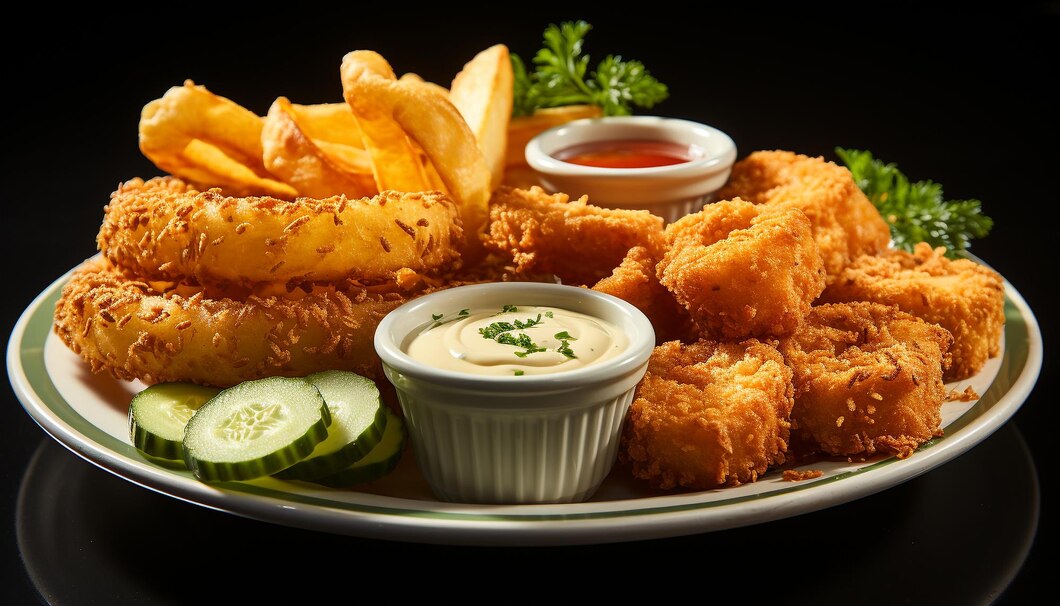
A traditional fish and chips meal consists of two key components: battered fish and fried potatoes, commonly known as “chips” in the UK (or “fries” in other parts of the world). Let’s break down these components:
- Battered Fish: Traditionally, white fish like cod or haddock is used for fish and chips. The fish is coated in a light, crispy batter and deep-fried until golden and flaky. The batter is often made from a simple mixture of flour, water, and sometimes beer, which gives it a light and crispy texture.
- Chips: The British version of fries, chips are thick-cut and usually fried twice for extra crispiness. They are served hot, often with a sprinkle of salt and sometimes vinegar, which is a popular condiment for many Brits.
- Accompaniments: While the basic fish and chips meal is simple, many variations have developed over the years. Common accompaniments include mushy peas, pickled onions, or a side of tartar sauce. Some shops may even serve fried bread or a wedge of lemon.
Fish and Chips in Modern Times
While fish and chips remains a staple of British cuisine, the dish has undergone some changes in recent years. As people become more health-conscious, there is an increasing demand for healthier alternatives. Some fish and chips shops now offer grilled fish options, or they may use healthier oils for frying.
However, despite these changes, the essence of fish and chips has remained the same: it’s a simple, hearty meal that brings people together. Whether eaten on the go, at the local chippy, or at home, fish and chips are still enjoyed by millions across the UK and beyond.
Fish and Chips Around the World
The influence of fish and chips has spread far beyond the UK. Many countries with British colonial ties have adopted the dish and put their own twist on it. In Australia, New Zealand, and Canada, for example, fish and chips are just as popular as in the UK. In some countries, fish and chips shops are referred to as “chippers” or “fish and chip shops,” and the dish is often served with unique local sauces and sides.
Even in the United States, where “fish and fries” are common, the influence of British-style fish and chips can still be seen, particularly in areas with a strong British heritage.
The Future of Fish and Chips
As fish and chips continue to be a cherished part of British culture, its future looks bright. While there are challenges ahead, including sustainability issues and changing food trends, fish and chips remain a beloved dish. Whether enjoyed in a traditional chippy or reinvented with new flavors and techniques, fish and chips will continue to be a part of the British culinary landscape for generations to come.
Frequently Asked Questions About Fish and Chips
Traditionally, cod and haddock are the most commonly used fish for fish and chips. Both are white fish with mild flavors and flaky textures that hold up well when battered and fried.
In the UK, chips are typically cut thicker than fries, as they are meant to be soft on the inside and crispy on the outside. The thicker cut helps achieve this texture, while in the United States, fries are usually thinner and crispier.
Yes, many fish and chips shops now offer grilled fish as an alternative to battered and fried options. Additionally, some shops use healthier oils or offer smaller portions of chips to make the meal a bit lighter.
Yes, in the UK, it is very common to add salt and vinegar to fish and chips, especially malt vinegar, which adds a tangy flavor that complements the crispy fish and chips.
The most popular accompaniments to fish and chips include mushy peas, pickled onions, and tartar sauce. Some people also enjoy a slice of lemon or fried bread on the side.
Conclusion
The history of fish and chips is a fascinating tale of cultural fusion, innovation, and the evolution of British culinary traditions. From its humble origins as a simple meal for the working class to its status as an internationally recognized comfort food, fish and chips have proven to be more than just a dish—they are a symbol of British heritage and resilience. As the dish continues to evolve and adapt to modern tastes, its timeless appeal remains undeniable.
Discover more from Epexshop
Subscribe to get the latest posts sent to your email.

