
Table of contents
The domestication of animals has played an essential role in shaping human history, especially when it comes to food production. This complex and transformative process has not only changed the way humans interact with animals, but it has also revolutionized agriculture, diet, and economies across the globe. From cattle grazing in vast pastures to chickens clucking in coops, the domestication of animals has allowed societies to grow and develop in ways that were previously unimaginable.
In this article, we’ll explore the history, benefits, and methods of the domestication of animals for food, offering a global perspective on this fascinating topic. We will also answer some of the most frequently asked questions regarding the domestication of animals, including its impact on ecosystems and the ethical considerations involved.
The History of Domestication of Animals for Food
The domestication of animals is thought to have begun over 10,000 years ago during the Neolithic Revolution, when humans transitioned from nomadic hunter-gatherers to settled agricultural societies. Early human societies realized the potential benefits of domesticating certain wild species for food, labor, and other resources. Over time, humans selectively bred animals for traits such as docility, size, and productivity.
Early Domesticated Animals: Sheep, Goats, and Cattle
Some of the earliest domesticated animals were those that could provide multiple resources. Sheep, goats, and cattle were some of the first species to be domesticated around 8,000-10,000 years ago in the Fertile Crescent, a region that includes parts of modern-day Iraq, Syria, and Turkey. These animals offered not only meat for food but also milk, wool, and hides, which were valuable resources for early human societies.
- Sheep: Early humans domesticated sheep for their meat, milk, and wool. Sheep were particularly important in cold climates where wool provided insulation against harsh winters.
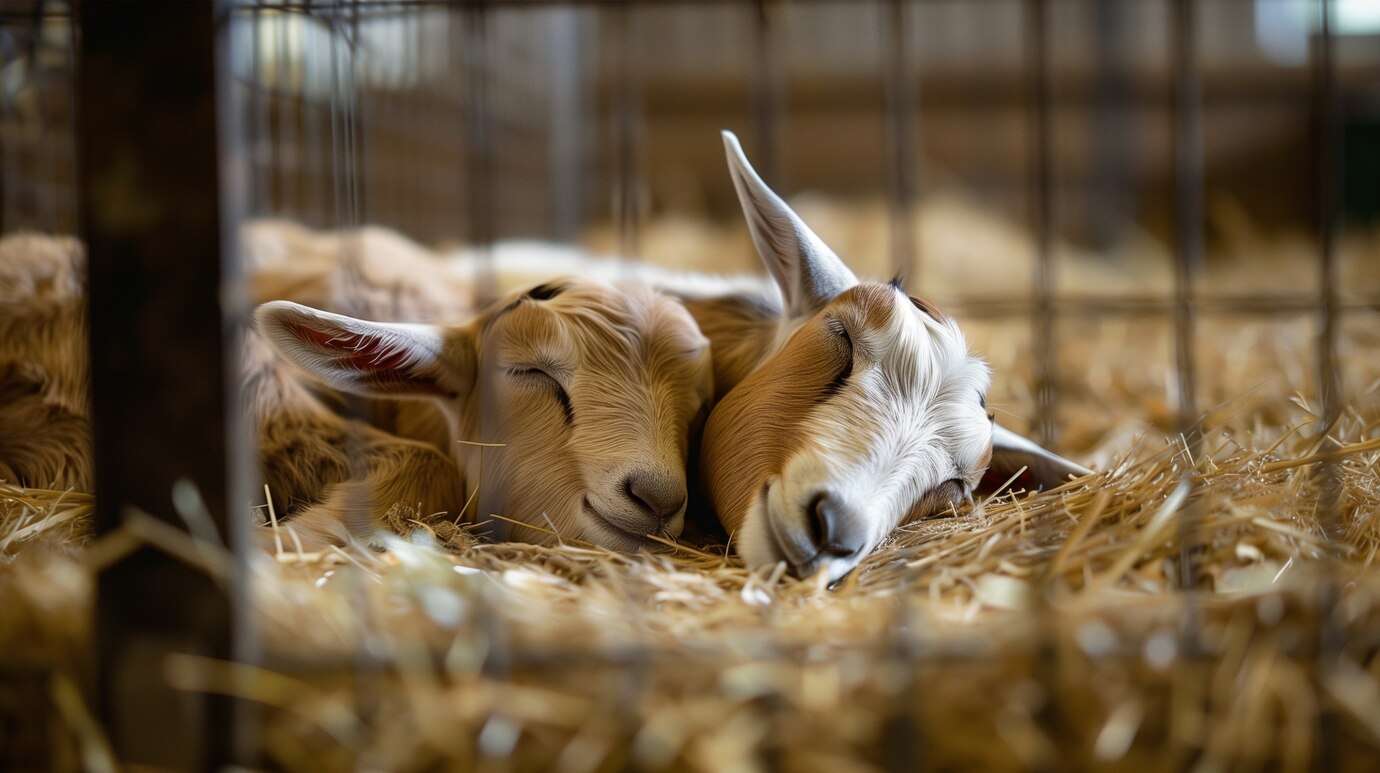
- Goats: Goats were domesticated for their milk, meat, and skin. Their adaptability to various environments made them an ideal choice for domestication.
- Cattle: The domestication of cattle marked a significant step forward in the ability of humans to produce large quantities of meat and milk. Cattle also became essential for labor in agriculture, plowing fields, and transporting goods.
Pigs, Horses, and Chickens
As human societies expanded, new species of animals were domesticated to meet the growing demand for food. Pigs, horses, and chickens became staple animals for food production in different parts of the world.
- Pigs: Domesticated over 9,000 years ago in Eurasia, pigs became a valuable source of meat for both their high reproductive rates and their ability to consume a wide variety of food scraps.
- Horses: While primarily domesticated for transportation and labor, horses also became essential in some cultures as a source of meat and milk.
- Chickens: The domestication of chickens began in Southeast Asia around 8,000 years ago. Chickens are now one of the most important sources of meat and eggs globally.
The Role of the Domestication of Animals in Food Production
The domestication of animals has had a profound impact on the way humans produce food. Over the centuries, humans have selectively bred animals for specific traits to optimize their usefulness in agriculture, including higher productivity, disease resistance, and better feed conversion.
Benefits of Domesticated Animals for Food
- Reliable Food Supply: Domesticating animals such as cows, pigs, and chickens ensures a more consistent and reliable source of food. Unlike hunting, which can be unpredictable, farming animals provides a steady food supply that can be harvested regularly.
- Diversified Diets: The domestication of animals has significantly diversified human diets, providing people with various protein sources, including beef, pork, chicken, lamb, and dairy products.
- Economic Growth: Domesticated animals have had a positive impact on local and global economies. The meat, dairy, and wool industries are essential to many countries, supporting jobs in farming, processing, and distribution.
- Labor and Transportation: Animals like oxen, horses, and camels have been domesticated for labor, helping early humans cultivate the land, transport goods, and build infrastructure.
- Cultural Significance: In many cultures, domesticated animals have become integral to traditions, rituals, and even religious practices. From sacrificial animals in religious ceremonies to the cultural significance of livestock in certain societies, the domestication of animals has left a lasting impact on human culture.
The Global Spread of Animal Domestication
Over time, the domestication of animals for food spread around the world. Each region of the world adopted specific species based on the local environment and the needs of the people.
Domestication in the Americas
In the Americas, domesticated animals such as llamas, alpacas, and turkeys were among the earliest examples of animal husbandry. However, with the arrival of European settlers, domesticated animals like horses, cattle, pigs, and chickens were introduced to the New World.
Domestication in Africa
Africa is home to several unique domesticated species, such as cattle and goats. The domestication of cattle in Africa is especially significant, as cattle have become a symbol of wealth and status in many African cultures. Additionally, chickens, pigs, and sheep were gradually integrated into African food systems, providing reliable sources of protein.
Domestication in Asia and the Middle East
Asia and the Middle East have long histories of animal domestication. As mentioned, sheep, goats, and cattle were among the earliest domesticated species in the Fertile Crescent. Additionally, regions in Central Asia contributed to the domestication of horses, while Southeast Asia was instrumental in the domestication of chickens.
The Future of Animal Domestication for Food
With the rising global population and increasing demand for food, animal domestication continues to evolve. Modern technology, including genetic engineering and selective breeding, is paving the way for more efficient and sustainable food production. Innovations like lab-grown meat, which mimics the texture and taste of traditional animal products without raising livestock, could potentially revolutionize the future of animal domestication.
Despite these advancements, ethical concerns regarding animal welfare and the environmental impacts of industrial animal farming are causing many to reconsider the traditional practices of animal domestication. Movements advocating for plant-based diets and ethical farming practices are influencing how societies approach animal domestication for food.
Frequently Asked Questions (FAQs) About the Domestication of Animals

The domestication of animals refers to the process by which wild animals are tamed and selectively bred to serve human needs, such as providing food, labor, and companionship.
Which animals were first domesticated for food?
The first animals domesticated for food included sheep, goats, and cattle. These animals provided early human societies with meat, milk, wool, and hides.
The domestication of animals can alter ecosystems by introducing non-native species, changing land use patterns, and affecting biodiversity. However, the domestication of animals also plays a role in maintaining some ecosystems, especially in agricultural settings.
Why is animal domestication important for food security?
Animal domestication ensures a reliable and consistent source of food, as domesticated animals are bred to reproduce quickly and provide high-yield products like meat, eggs, and dairy.
What are the ethical concerns about animal domestication for food?
Ethical concerns surrounding the domestication of animals for food include animal welfare, factory farming conditions, and the environmental impact of large-scale animal agriculture. Many people advocate for more humane treatment of animals and sustainable farming practices.
Discover more from Epexshop
Subscribe to get the latest posts sent to your email.

