
Table of contents
- The Origins and Early Development of Indian Cuisine
- The Influence of Ancient Trade Routes
- The Mughal Influence on Indian Cuisine
- The British Colonial Era and Its Impact on Indian Cuisine
- Indian Cuisine and Its Global Influence
- The Role of Indian Spices in Global Cuisine
- Conclusion
- Frequently Asked Questions
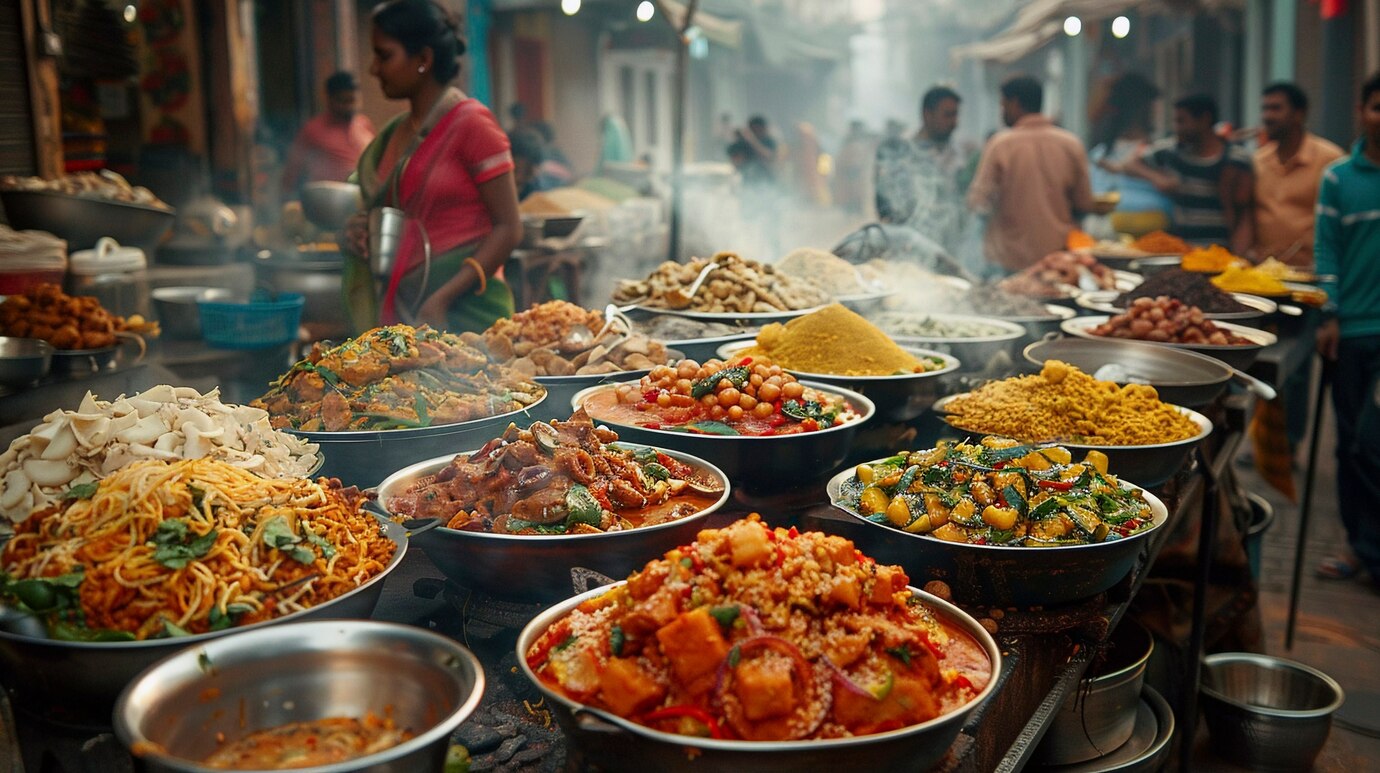
Indian cuisine is renowned across the globe for its diverse flavors, complex spices, and rich history. The development of Indian cuisine has been shaped over thousands of years by a multitude of influences, ranging from regional traditions to foreign invasions, colonialism, and globalization. This article explores the evolution of Indian cuisine, its unique characteristics, and its profound influence on global food culture.
The Origins and Early Development of Indian Cuisine
The roots of Indian cuisine can be traced back to ancient times, with evidence of early food practices dating back over 5,000 years. The Indus Valley Civilization, which flourished around 2500 BCE, had a sophisticated understanding of agriculture and food storage. The people of this civilization cultivated grains like wheat and barley, which laid the foundation for many staple foods in modern Indian cuisine, such as bread and porridge.
The earliest Indian culinary practices were heavily influenced by the availability of local ingredients. Indian cooking was based on an understanding of food’s medicinal and spiritual properties, with an emphasis on balance and harmony. Spices, herbs, and vegetables played a crucial role in developing dishes that not only satisfied hunger but were believed to promote health and well-being.
The Influence of Ancient Trade Routes
As India became a significant center of trade in the ancient world, its culinary traditions began to evolve through contact with different cultures. The ancient spice trade route played a pivotal role in shaping the flavor profiles of Indian cuisine. Spices such as cinnamon, black pepper, cardamom, and cloves were traded with Middle Eastern, European, and Southeast Asian traders, which introduced new flavors and culinary techniques to Indian kitchens.
The spread of Buddhism and the expansion of the Maurya and Gupta empires also led to cultural exchanges that influenced food practices. For example, the Maurya Empire’s connections with Greece and Persia brought new ideas about cooking methods and the use of exotic ingredients. Additionally, during this period, Indian cuisine began to include more vegetarian dishes, largely due to religious and cultural beliefs around ahimsa (non-violence).
The Mughal Influence on Indian Cuisine
One of the most significant periods in the development of Indian cuisine came with the arrival of the Mughals in the 16th century. The Mughal Empire, which ruled over much of India from 1526 to 1857, brought a distinctive blend of Persian, Central Asian, and Indian food traditions. This fusion gave rise to some of the most iconic dishes in Indian cuisine, such as biryani, kebabs, and various types of curries.
Mughal emperors were known for their love of lavish feasts, and their culinary influence permeated Indian kitchens. They introduced new cooking methods, such as dum (slow cooking in sealed containers), and refined techniques like the use of yogurt and cream to create rich, flavorful gravies. The Mughal influence also led to the popularization of rich desserts like kheer (rice pudding) and gulab jamun (sweet dough balls soaked in syrup).
The British Colonial Era and Its Impact on Indian Cuisine
The British colonial period in India (1858–1947) brought significant changes to Indian food culture. British rule led to the establishment of new agricultural practices, the introduction of new ingredients like potatoes, tomatoes, and tea, and a transformation in the way food was prepared and consumed.
While many Indian dishes remained intact, British influence introduced new cooking methods and a focus on convenience. For example, British-style breakfast foods, such as eggs, toast, and tea, became widely adopted in Indian homes. The British also helped popularize the use of sandwiches, cakes, and other baked goods, which have since been integrated into Indian cuisine.
One of the most notable culinary legacies of the British colonial period is the development of “Anglo-Indian” cuisine, a fusion of Indian and British food traditions. Dishes such as chicken tikka masala, mulligatawny soup, and kedgeree are examples of how Indian spices and flavors were incorporated into British cooking, creating a new culinary hybrid.
Indian Cuisine and Its Global Influence
The global influence of Indian cuisine began to grow exponentially in the late 20th century. As Indian immigrants settled in different parts of the world, they brought their culinary traditions with them, making Indian food increasingly popular in countries like the United States, the United Kingdom, Canada, and Australia.
In the U.S., Indian food began to gain recognition in the 1960s and 1970s, with the rise of Indian restaurants in major cities such as New York and San Francisco. The popularity of dishes like chicken tikka masala, naan bread, and samosas skyrocketed, and today, Indian food is enjoyed by millions of people worldwide.
Similarly, in the United Kingdom, Indian cuisine became a staple of the national food culture. The creation of “Indian curry houses” in the UK in the 20th century led to the establishment of iconic dishes like chicken vindaloo and lamb rogan josh, which have become beloved comfort foods for many British citizens.
Indian cuisine has also left its mark on global health trends. The emphasis on spices like turmeric (known for its anti-inflammatory properties), cumin, and ginger has led to an increased interest in Indian-inspired health foods. The growing popularity of vegetarianism and plant-based diets, driven by Indian culinary traditions, has also contributed to the global rise of vegetarian and vegan restaurants.
The Role of Indian Spices in Global Cuisine
One of the most important aspects of Indian cuisine is the use of spices. Indian cooking is known for its intricate spice blends, which can range from mild and fragrant to bold and fiery. The development of Indian cuisine is closely linked to the discovery and trade of spices, which played a critical role in shaping its unique flavors.
The use of spices like cumin, coriander, turmeric, cardamom, and garam masala is now a common feature in many cuisines around the world. These spices have found their way into global kitchens, from Italian pasta dishes to Middle Eastern stews. The global popularity of Indian spices has also led to the rise of spice companies and the availability of pre-made spice mixes in supermarkets across the world.
Indian cuisine’s emphasis on healthy ingredients, balanced flavors, and aromatic spices has inspired countless chefs and home cooks alike. The worldwide fascination with Indian cooking has led to a fusion of culinary traditions, with chefs around the world experimenting with Indian spices and techniques in creative new ways.
Conclusion
The development of Indian cuisine is a fascinating story of cultural exchange, innovation, and adaptation. From its ancient origins in the Indus Valley to the contemporary popularity of Indian food around the world, Indian cuisine has undergone numerous transformations, each of which has enriched its complexity and diversity.
As Indian cuisine continues to evolve and influence global food trends, it remains a testament to the power of food as a vehicle for cultural expression and connection. Whether through the aromatic spices, the art of blending flavors, or the fusion of culinary traditions, Indian cuisine has cemented its place as one of the most influential and beloved culinary heritages in the world.
Frequently Asked Questions
Indian cuisine has evolved over thousands of years, influenced by ancient trade, invasions, and foreign rule. Early Indian cooking focused on local ingredients, with spices playing an essential role in both flavor and health. The cuisine has been shaped by the Mughals, British colonialism, and regional food practices.
The Mughal Empire brought Persian, Central Asian, and Indian food traditions together, creating iconic dishes like biryani, kebabs, and rich gravies. Mughal cooking methods such as dum (slow cooking) and the use of yogurt and cream had a lasting impact on Indian cuisine.
Spices are central to Indian cuisine, providing both flavor and medicinal benefits. Blends like garam masala, turmeric, and cumin are integral to the depth and complexity of Indian dishes, and their use has spread to global cuisines.
British colonial rule introduced new ingredients like potatoes and tomatoes, altered cooking methods, and led to the fusion of British and Indian food traditions, resulting in dishes like chicken tikka masala and kedgeree.
Indian cuisine’s global popularity can be attributed to its rich flavors, aromatic spices, and vegetarian-friendly dishes. Indian food has also been embraced by international chefs who use Indian spices in fusion recipes, making it a global culinary force.
Discover more from Epexshop
Subscribe to get the latest posts sent to your email.

